
As a leading player in the wholesale market for second-hand footwear, identifying reliable suppliers is crucial for trade buyers in the UK. These suppliers not only ensure quality and affordability but also streamline the process for exporters and resellers seeking to enhance their product offerings. In this comprehensive guide, we will explore key wholesale second-hand shoes suppliers in the UK that cater specifically to your B2B needs, equipping you with valuable insights to make informed sourcing decisions.
Table of Contents
- Why Source Second Hand Shoes?
- Grading Systems and Best Practices
- Leading Second Hand Shoes Suppliers in the UK
- Logistics and Shipping Solutions
- Risk Management in Sourcing
- Investing in Quality Bulk Footwear
Key Takeaways
| Consideration | Insight |
|---|---|
| Minimum Order Quantities | Identify suppliers with flexible MOQ options to suit your business scale. |
| Shoe Grading Standards | Clarify grading systems to prevent discrepancies in product quality. |
| Logistics Support | Choose suppliers offering logistics solutions to enhance shipping efficiency. |
| Margin Control | Focus on suppliers that align with your profit margin goals for optimal pricing. |
Why Source Second Hand Shoes?
The demand for sustainable fashion is driving the second-hand market, particularly for footwear. With a growing awareness of environmental concerns, resellers are finding great opportunities in second-hand shoes. These products not only minimize waste but also cater to a diverse consumer base looking for unique styles at competitive prices. Sourcing second hand shoes in bulk allows businesses to capitalize on market trends while offering clients a varied selection.
This business model also enables trade buyers to meet consumer needs effectively. By bundling unique second-hand shoes, suppliers help resellers provide engaging inventory without necessitating excessive retail markdowns.
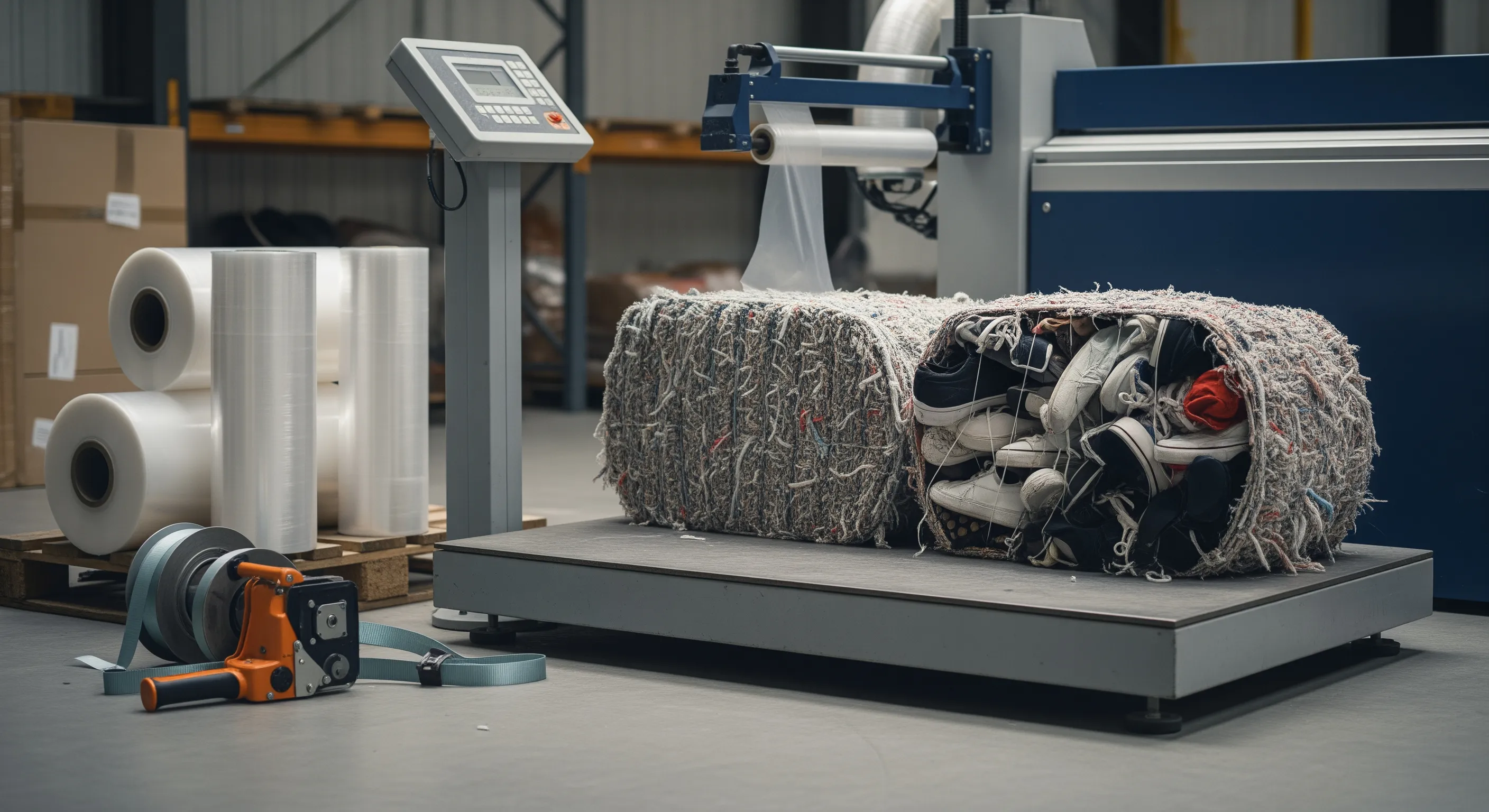
Pro tip: Always assess market dynamics to tailor your shoe offerings, enhancing customer appeal.
Grading Systems and Best Practices
Understanding grading systems for second-hand shoes is vital for maintaining quality throughout the sourcing process. Suppliers often categorize shoes into various grades, from A-grade (excellent condition) to lower grades (used, worn). Clear communication of these grading standards helps manage expectations and ensures that buyers receive products aligned with their quality requirements.
Best practices in sourcing second-hand shoes include thoroughly inspecting inventory and establishing a structured grading protocol. This transparency not only builds trust with clients but also mitigates the risks associated with discrepancies in product quality.
Pro tip: Implement a robust quality assurance process to sustain supplier relationships.
Leading Second Hand Shoes Suppliers in the UK
Finding reliable suppliers in the UK is essential for trade buyers in the wholesale second-hand footwear sector. Top suppliers leverage established networks and transparent processes, which facilitates smoother transactions and builds confidence among resellers. Researching different suppliers, such as Original Secondhand, provides insights into their stocking practices and customer service approaches.
Utilize platforms that connect buyers with reputable suppliers to ensure quality assurance and cost-effectiveness. Suppliers that offer bulk options, such as wholesale bales, can enable resellers to diversify their inventory while managing costs efficiently.
Pro tip: Keep an organized database of suppliers to streamline purchasing and communication.
Logistics and Shipping Solutions
Logistics play a crucial role in the wholesale supply chain of second-hand shoes. Effective logistics solutions are necessary to ensure timely delivery and reduce operational disruptions. Trade buyers should seek suppliers who can manage shipping logistics thoroughly, including customs clearance and tracking for export shoes from the UK.
Additionally, suppliers should provide clear shipping timelines and detailed packing lists to streamline the process. Understanding these logistics elements helps mitigate delays and strengthens long-term collaborations between buyers and suppliers.
Pro tip: Regularly evaluate logistics partnerships to ensure reliability and efficiency.
Risk Management in Sourcing
Engaging in the second-hand shoe market carries inherent risks, including product quality, supply chain disruptions, and financial mismanagement. To mitigate these risks, trade buyers should implement effective risk management strategies. This includes diversifying suppliers to avoid dependency on a single source and conducting regular evaluations of supplier performance.
Incorporating strategies such as setting clear payment terms and utilizing contracts can enhance accountability and provide clarity in transactions. Additionally, establishing an inventory management system can help track product quality and safeguard against uncertainties.
| Risk | Cause | Mitigation |
|---|---|---|
| Product Quality Issues | Poor grading practices | Implement strict quality controls |
| Supply Chain Delays | Unexpected events | Diverse sourcing strategies |
| Financial Risk | Inadequate cash flow | Ensuring payment terms |
| Market Fluctuations | Changing consumer demand | Regular market assessments |
Investing in Quality Bulk Footwear
Ultimately, sourcing quality bulk footwear provides opportunities for maximized profitability and customer satisfaction. By partnering with trustworthy wholesale second-hand shoes suppliers in the UK, you can enhance your product range and build a reputable brand. Invest in quality products to cultivate long-lasting client relationships and establish a competitive edge in the market.
Trade buyers should prioritize suppliers who demonstrate high product quality, responsive customer service, and reliable logistic capabilities. This establishes a strong foundation for successful business operations in the second-hand shoe market.
Pro tip: Maintain open lines of communication with suppliers to foster better business relationships.
Unlock Cost Savings and Inventory Variety with Trusted UK Bulk Clothing Sourcing

For trade buyers who need consistent bulk supply and clear grading expectations, explore Original Secondhand at originalsecondhand.com. If you’d like a quick recommendation on the best fit for your business model, volumes, and export requirements, contact the team here: Contact Us.
Frequently Asked Questions
What are the benefits of sourcing second-hand shoes?
Sourcing second-hand shoes reduces waste and can provide unique styles that appeal to a sustainable-conscious audience.
How can I ensure product quality when sourcing?
Establish clear grading standards and maintain rigorous quality control throughout your purchasing process.
What logistics challenges should I be aware of?
Timely shipping and customs clearance are key challenges; explore suppliers who manage these processes effectively.
How can I mitigate risks in shoe sourcing?
Diversify suppliers and implement a solid contract system to reduce dependency on a single source and enhance accountability.