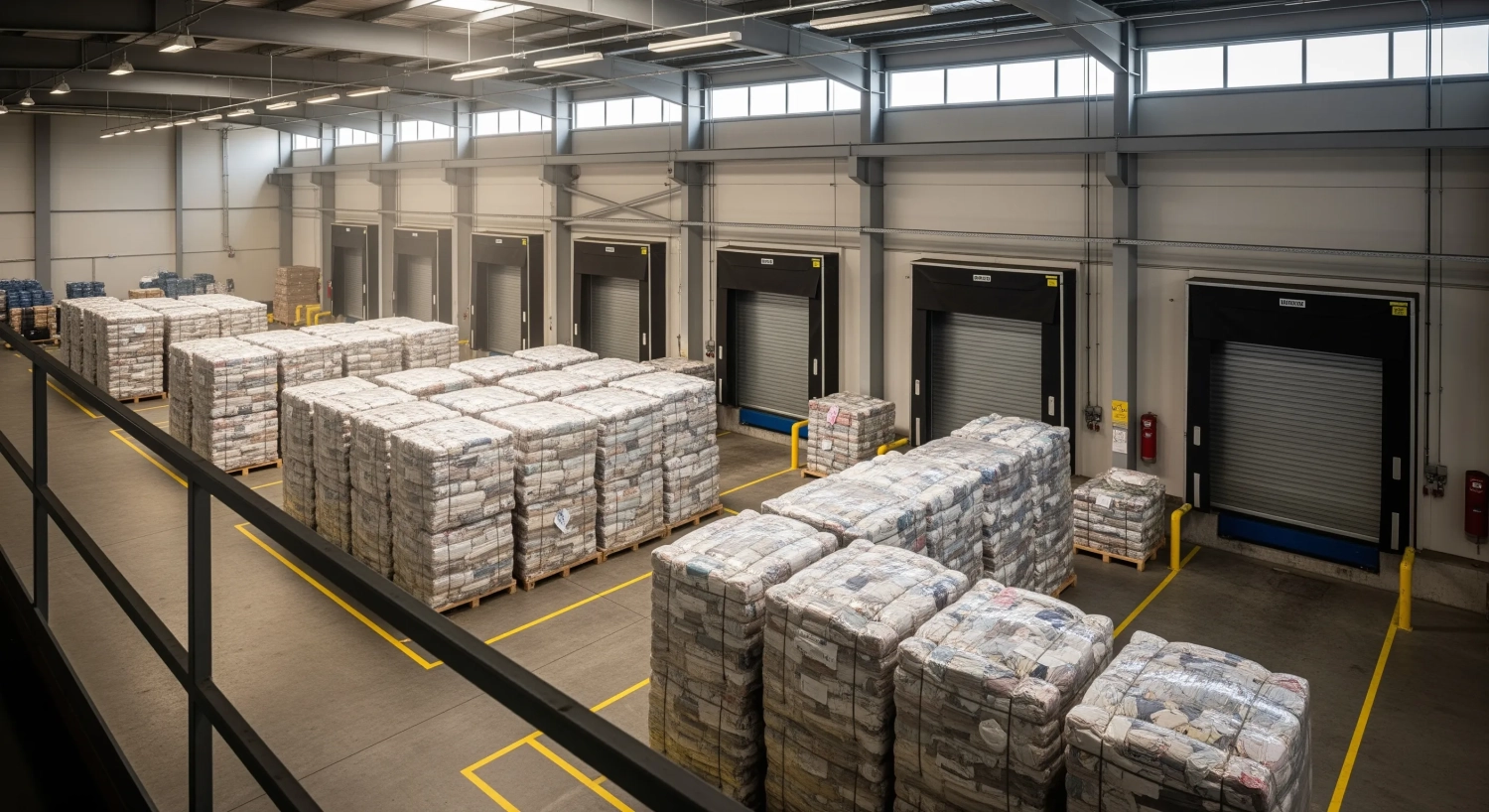
For trade buyers seeking reliable sources of quality garments, the wholesale market for used baby clothes presents a compelling opportunity. This niche sector caters to exporters and store owners in the UK, offering a range of bulk options from various suppliers. By buying secondhand baby apparel in bulk, you can fulfill demand quickly while ensuring affordability, sustainability, and the effective use of resources. With our expertise, Original Secondhand helps you navigate the complexities of sourcing, grading, and exporting these garments directly from UK warehouses.
Table of Contents
- Understanding the Demand for Wholesale Used Baby Clothes
- Benefits of Sourcing Secondhand Baby Garments
- Grading and Classifying Baby Clothing
- Effective Logistics for Bulk Baby Clothing
- Risk Mitigation in Baby Clothing Sourcing
- Navigating the Export Process for Baby Apparel
Key Takeaways
| Aspect | Importance |
|---|---|
| Volume Requirements | Assessing minimum order quantities helps manage inventory effectively. |
| Grading Signals | Understanding grades ensures quality assurance for customers. |
| Logistics Readiness | Preparedness reduces lead times and enhances efficiency. |
| Margin Discipline | Careful calculation of margins safeguards profitability. |
Understanding the Demand for Wholesale Used Baby Clothes
The demand for wholesale used baby clothes continues to grow due to increasing awareness of sustainability. Store owners are now preferring to stock secondhand baby apparel, which appeals to environmentally conscious consumers.
This shift not only allows businesses to compete in a crowded market but also enables them to offer unique value propositions. Importantly, with multiple supply channels, businesses can maintain consistent stock levels while minimizing overhead costs associated with brand new inventories. Stay abreast of trends to ensure you can meet customer expectations.
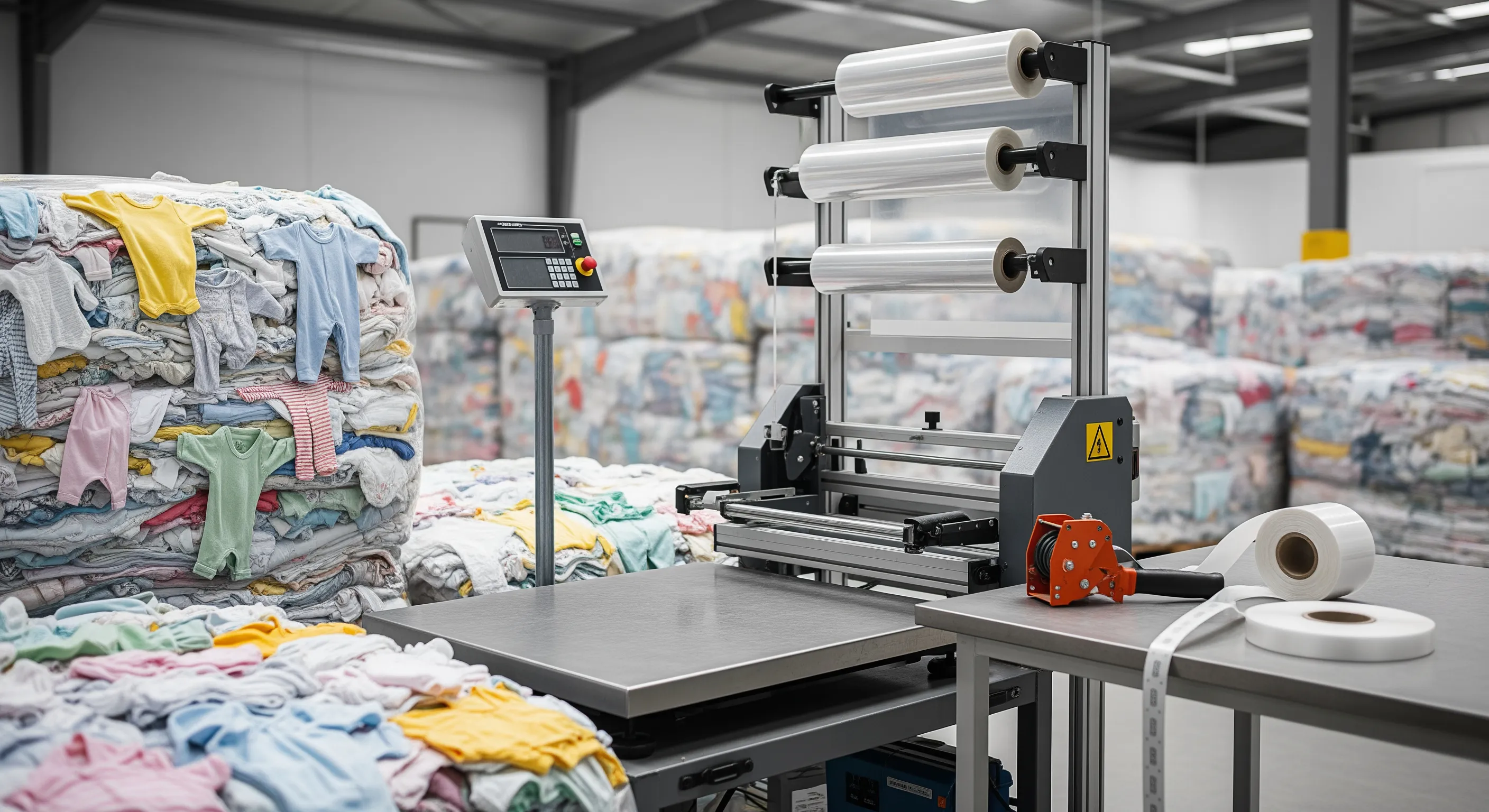
Pro tip: Regularly analyze market trends to align your inventory with consumer preferences, enhancing demand fulfillment.
Benefits of Sourcing Secondhand Baby Garments
Sourcing secondhand baby garments offers several benefits, including cost efficiency and enhanced sustainability. By purchasing in bulk, B2B buyers can significantly reduce per-unit costs, which is vital for maintaining competitive pricing.
Furthermore, the aspect of sustainability is increasingly appealing to consumers, and by offering secondhand items, businesses are contributing to a circular economy. This not only attracts customers but also strengthens corporate social responsibility initiatives.
Grading and Classifying Baby Clothing
Grading baby clothes is essential for establishing quality and pricing. Most suppliers will provide detailed grading criteria that specify the condition of garments, influencing purchase decisions. This grading system helps maintain quality consistency, which is crucial for B2B transactions.
By understanding these categories, businesses can make informed sourcing decisions and set appropriate pricing strategies that reflect garment conditions. A clear grading system minimizes disputes and enhances buyer-supplier relationships.
Pro tip: Always request and review grading reports from suppliers to validate quality before committing to bulk purchases.
Effective Logistics for Bulk Baby Clothing
Logistics plays a vital role in the successful sourcing and distribution of bulk baby clothing. From warehousing to transportation, having an effective logistics strategy ensures timely delivery and satisfaction of market demand.
Efficient pack lists, coupled with a reliable transport network, facilitate smooth operations from warehouse to end customer. Communicating logistics expectations with your suppliers will streamline processes and help manage timelines.
Pro tip: Invest in tracking systems to monitor logistics performance and adapt as needed to maintain efficiency.
Risk Mitigation in Baby Clothing Sourcing
Sourcing used baby clothing carries inherent risks, such as fluctuating market prices and inconsistent quality. To mitigate these risks, it's advisable to establish robust supplier relationships and perform thorough due diligence.
Additionally, diversifying supplier sources can protect against stock shortages and enhance negotiation power. This strategy not only secures supply but also stabilizes pricing while minimizing quality-related disputes.
| Practical Risk | Cause | Mitigation |
|---|---|---|
| Quality Variability | Inconsistent grading from suppliers | Requesting regular quality assessments |
| Supply Chain Disruptions | Transport issues or supplier defaults | Diversifying suppliers and maintaining buffer stock |
| Market Fluctuations | Changes in consumer demand | Regular market analysis and flexible sourcing |
| Compliance Issues | Regulatory changes affecting imports | Staying informed on trade regulations |
Pro tip: Develop contingency plans to quickly address unforeseen risks without disrupting your supply chain.
Navigating the Export Process for Baby Apparel
Understanding the export process is crucial for businesses looking to capitalize on international demand for used baby clothing. This involves familiarizing yourself with the regulatory requirements of target markets and ensuring compliance with safety standards.
Establishing clear communication channels with logistics partners will facilitate seamless cross-border transactions. Furthermore, keeping abreast of changing trade agreements will support your export strategies and enhance competitiveness.
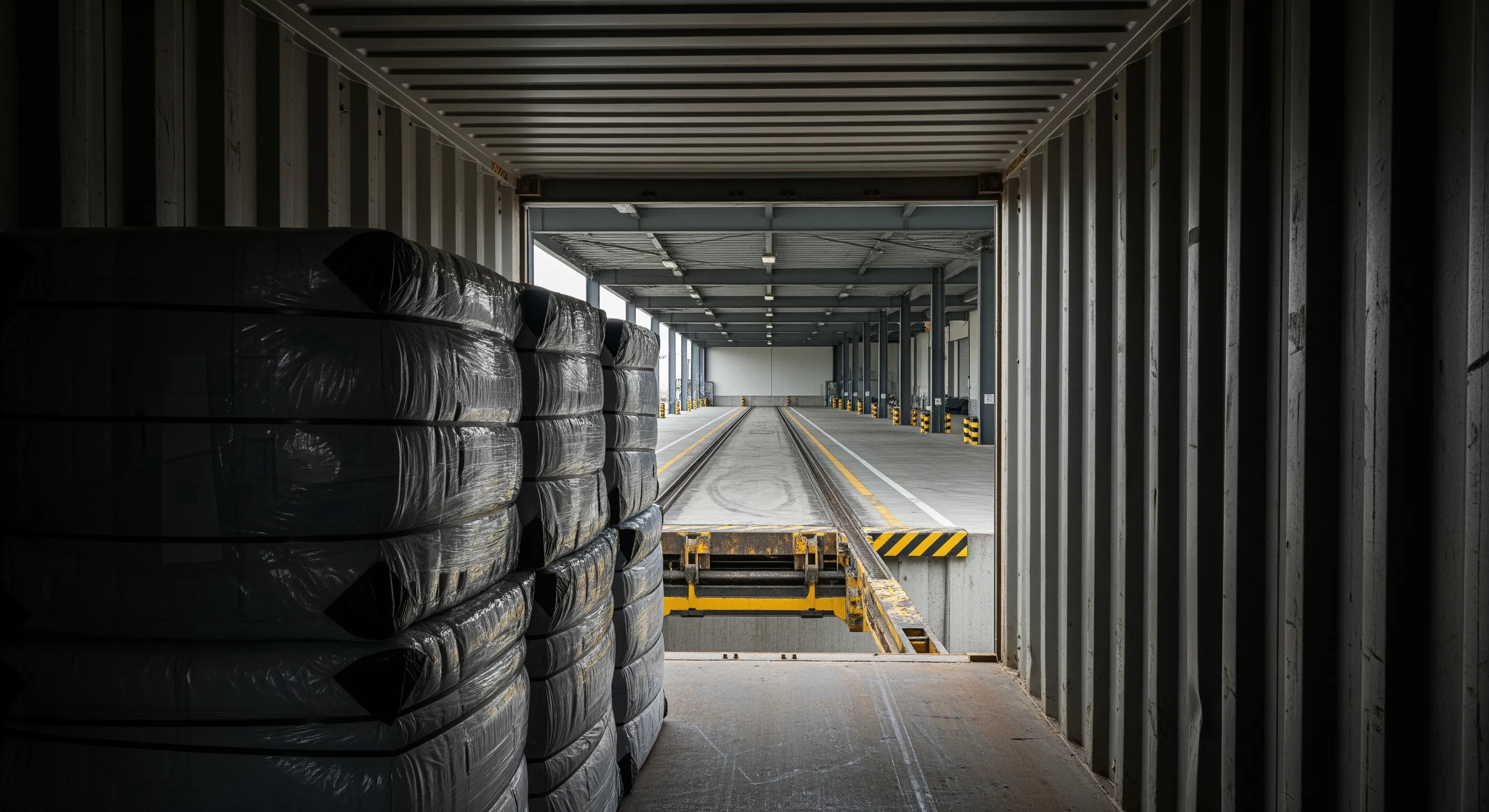
Pro tip: Engage with customs and trade experts to navigate complex regulatory environments effectively.
Unlock Cost Savings and Inventory Variety with Trusted UK Bulk Clothing Sourcing

For trade buyers who need consistent bulk supply and clear grading expectations, explore Original Secondhand at originalsecondhand.com. If you’d like a quick recommendation on the best fit for your business model, volumes, and export requirements, contact the team here: Contact Us.
Frequently Asked Questions
What types of baby clothing can I source wholesale?
Wholesale options can include everything from clothing to accessories, catering to various market needs.
How can I ensure the quality of used baby garments?
Request grading reports from suppliers and perform visual inspections whenever possible.
What factors influence pricing in wholesale used baby clothing?
Pricing is influenced by garment condition, market demand, and supplier terms.
Can I establish long-term partnerships with suppliers?
Yes, building strong relationships can lead to better deals and reliable supply.