
Finding reliable sources for wholesale used clothes in the UK can be a pivotal factor for resellers and exporters aiming to fill their inventory with quality secondhand clothing. Whether you're working with used clothes bales or looking for export-ready garments, the right supplier makes a significant difference. Original Secondhand stands out in the crowded marketplace, offering bulk clothing solutions with clear grading expectations and consistent supply channels suitable for all types of trade buyers.
Table of Contents
- Importance of Quality in Wholesale Used Clothes
- Understanding Grading Systems
- Bulk Buying Options Explored
- Shipping and Logistics Considerations
- Risk Mitigation in Wholesale Clothing
- The Future of Wholesale Used Clothing
Key Takeaways
| Aspect | Recommendation |
|---|---|
| Minimum Order Quantities (MOQ) | Understand supplier MOQ requirements to manage inventory levels effectively. |
| Grading Signals | Always verify grading signals to maintain product quality. |
| Logistics Readiness | Confirm that suppliers have robust logistics systems in place. |
| Margin Discipline | Negotiate terms that secure your profit margins without compromising quality. |
Importance of Quality in Wholesale Used Clothes
Quality is paramount in the wholesale used clothing market. Trade buyers must ensure they are sourcing from reliable suppliers who prioritize the condition of the garments. Garments that are in better condition are not only appealing to customers but also lead to fewer returns and complaints.
According to a distributive trades survey, the retail sale of second-hand clothing has been gaining traction, suggesting that there's a rising demand for quality used clothing. Providing customers with garments that meet or exceed their expectations will foster loyalty and repeat business.
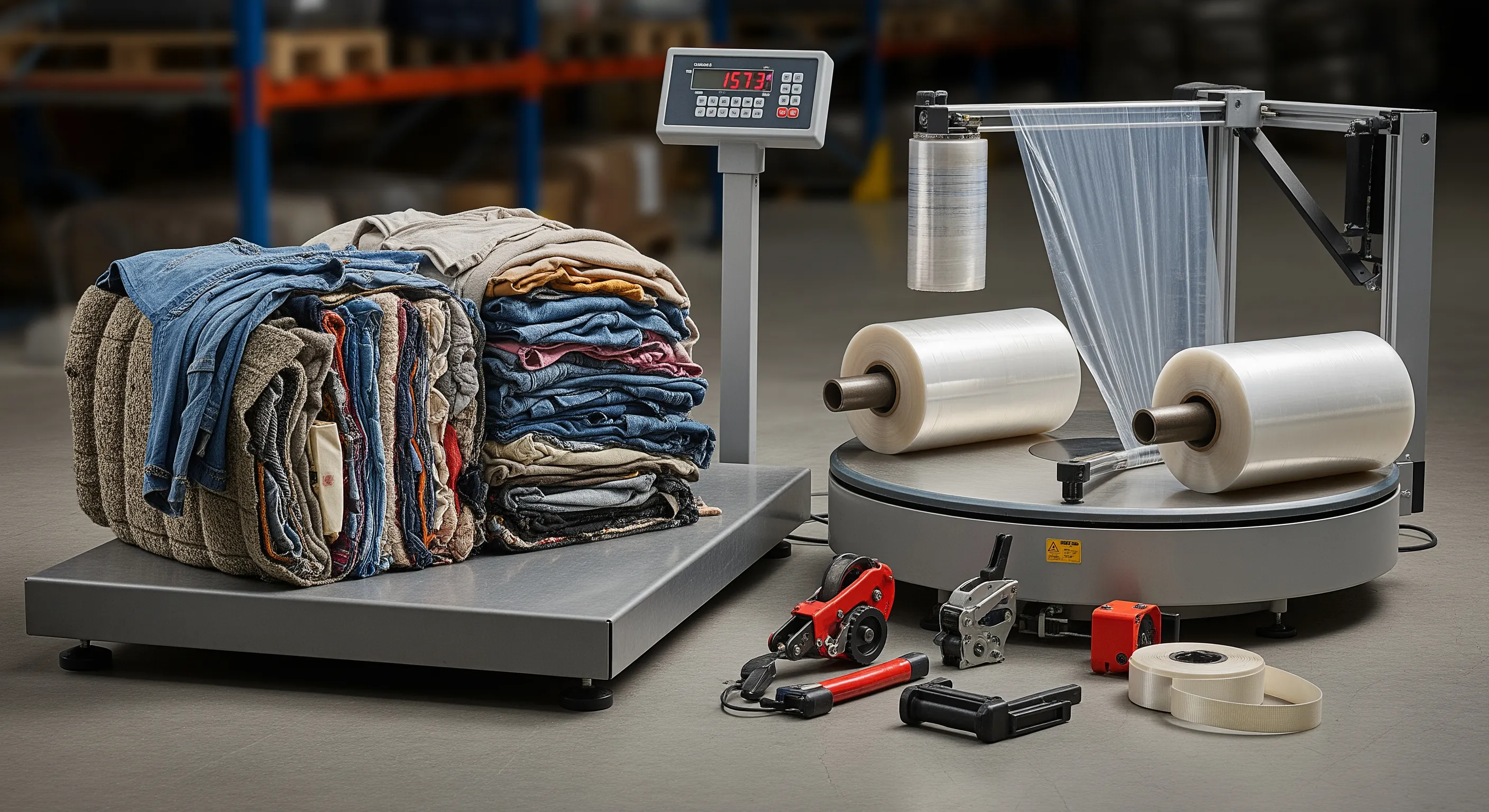
Understanding Grading Systems
Grading systems serve as a benchmark in the wholesale used clothing industry. They categorize garments based on their quality, which helps buyers make informed decisions. Typically, grading systems range from A to C, where 'A' signifies like-new items and 'C' indicates heavily worn, yet potentially salvageable items.
Understanding these grading systems is essential for trade buyers looking to manage their stock effectively. When purchasing from suppliers, refer to OECD analysis for insights into grading standards and best practices which can help in refining sourcing strategies.

Bulk Buying Options Explored
For resellers and exporters, bulk buying options can significantly reduce per-unit costs and ensure consistent supply. This is particularly beneficial in the B2B wholesale sector where meeting demand at competitive prices is fundamental.
When exploring options, consider whether you want used clothes bales or wholesale containers. Used textiles export data suggests specific market trends that can guide bulk purchasing decisions.
Shipping and Logistics Considerations
Effective shipping and logistics are critical in the wholesale used clothing business. Suppliers need to have reliable processes for getting products from warehouses to customers, ideally without significant delays. Buyers should always check shipping times and costs before finalizing orders to ensure inventory arrives on schedule.
Furthermore, understanding the logistics for international shipping will be beneficial as many resellers export to different countries. It is crucial to partner with suppliers who offer transparent shipping processes and adhere to international standards, as highlighted in UK government guidance.
Risk Mitigation in Wholesale Clothing
Mitigating risks in wholesale clothing sourcing is essential. Potential challenges include poor quality goods, inconsistent supply, and deceptive grading practices. By establishing clear communication with suppliers and implementing strict quality controls, buyers can safeguard their interests.
Trade buyers should regularly review supplier performance and initiate audits to ensure compliance with quality standards. This proactive approach can protect investments and improve the overall sourcing process, as discussed in EU textile export analyses.
| Potential Risks | Causes | Mitigations |
|---|---|---|
| Poor Quality | Lack of grading standards | Implement strict quality controls |
| Inconsistent Supply | Supplier issues | Establish backup suppliers |
| Deceptive Grading | Poor supplier communication | Regular audits and checks |
| Market Fluctuations | Economic changes | Diverse sourcing strategies |
The Future of Wholesale Used Clothing
The wholesale used clothing market is poised for growth as demand for sustainable fashion increases. As consumers become more environmentally conscious, businesses offering secondhand clothing have a significant opportunity ahead.
Businesses that embrace innovation, such as implementing digital inventories and improving supply chain logistics, will have a competitive edge in this evolving landscape.
Pro tip: Consistently monitor market trends to adapt your sourcing strategies to the increasing consumer demand for sustainability.
Unlock Cost Savings and Inventory Variety with Trusted UK Bulk Clothing Sourcing

For trade buyers who need consistent bulk supply and clear grading expectations, explore Original Secondhand at originalsecondhand.com. If you’d like a quick recommendation on the best fit for your business model, volumes, and export requirements, contact the team here: Contact Us.
Frequently Asked Questions
What is the typical turnaround time for bulk orders?
Turnaround time can vary based on the supplier and order volume, but it typically ranges from a few days to a few weeks.
How can I assess the quality of used clothing?
Request samples, inquire about grading standards, and review client testimonials.
Are there specific regulations for exporting used clothing?
Yes, various countries have regulations regarding the import of used textiles; it's essential to verify compliance with these regulations.
What is the value of establishing long-term supplier relationships?
Long-term relationships can lead to better pricing, priority service, and improved communication.