
Finding the right wholesale used clothing suppliers is essential for trade buyers aiming to maximize opportunities in the second-hand clothing market. Whether you're an exporter or a store owner, sourcing quality products at competitive prices can significantly impact your profit margins. The UK is home to several reputable suppliers who specialize in bulk used clothing, offering everything from secondhand clothing bales to wholesale clothing containers. This article presents a comprehensive guide to help you navigate through the options available, ensuring you can maintain high standards in your inventory while effectively managing costs.
Table of Contents
- Overview of Wholesale Used Clothing Suppliers
- Key Considerations When Choosing a Supplier
- Types of Wholesale Used Clothing Suppliers
- Understanding the Grading Process in Used Apparel
- Logistics and Delivery for Bulk Used Clothing
- Risk Mitigation Strategies in Used Clothing Supply
Key Takeaways
| Consideration | Importance |
|---|---|
| Volume/MOQ Logic | Ensures steady supply and cost management. |
| Grading Standards | Critical for maintaining quality and customer satisfaction. |
| Logistics Readiness | Ensures timely delivery, minimizing stock outages. |
| Claims Control | Avoids disputes and maintains supplier relationships. |
Overview of Wholesale Used Clothing Suppliers
Wholesale used clothing suppliers play a pivotal role in the distribution network of secondhand apparel in the UK. These suppliers provide bulk quantities of pre-owned clothing, catering primarily to retailers and exporters who require cost-effective solutions to meet consumer demand. They standardize the grading of clothing items to ensure that buyers receive clear expectations on product quality.
Evaluating suppliers based on their reputation, delivery times, and customer service can provide better insight into their reliability. Establishing partnerships with trustworthy suppliers can result in long-term benefits, ensuring that your business can keep pace with market trends and customer needs.
Key Considerations When Choosing a Supplier
When selecting wholesale used clothing suppliers, buyers should assess several critical factors. First, the supplier's grading practices are essential to ensure the quality of items aligns with customer expectations. Look for suppliers who provide detailed grading reports and transparency about the items included in each shipment.
Additionally, establishing a clear understanding of Minimum Order Quantities (MOQs) can assist buyers in managing inventory levels effectively. This consideration helps in planning cash flow and storage space while ensuring you have adequate stock to meet demand.
Types of Wholesale Used Clothing Suppliers
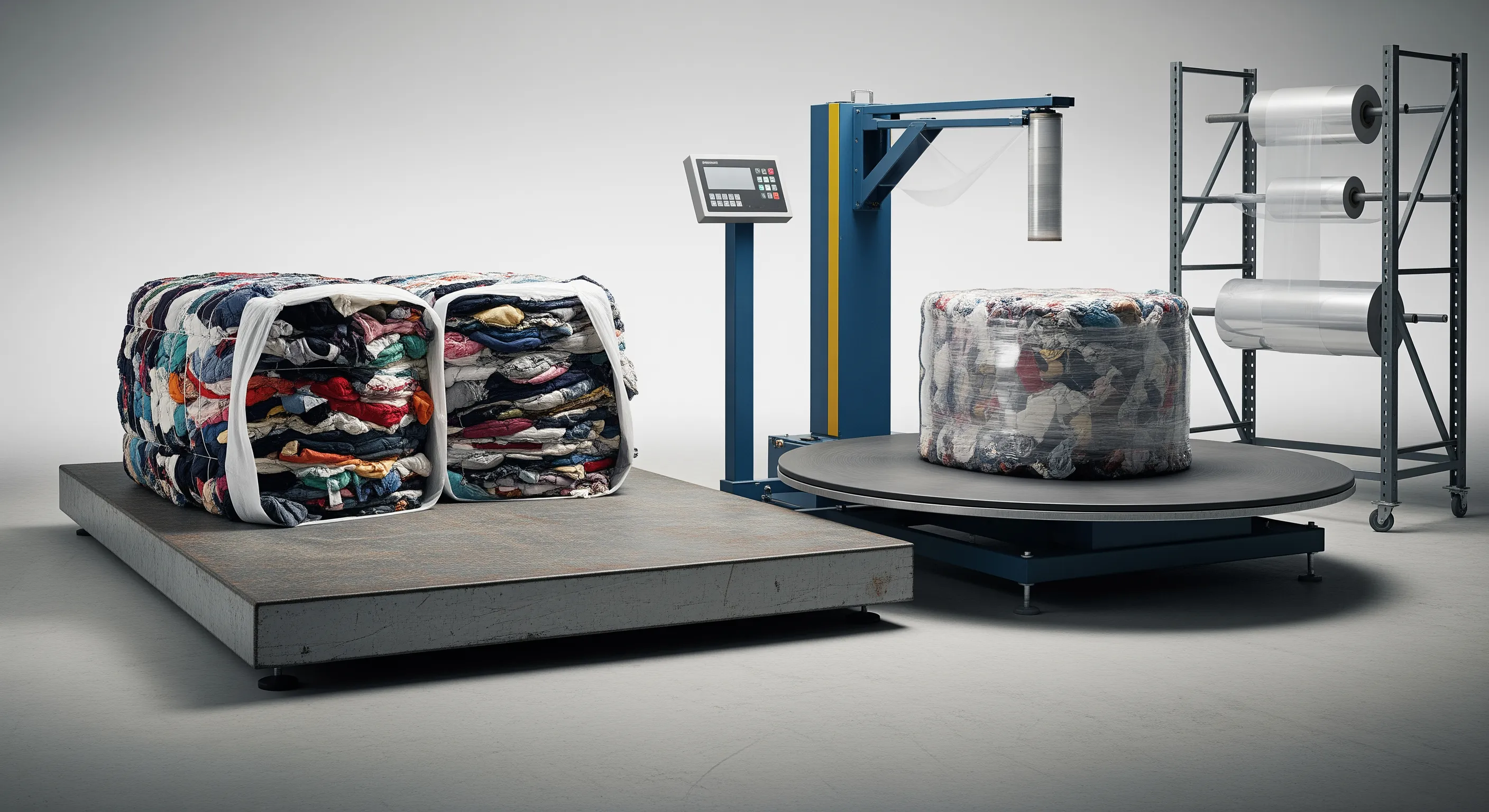
There are various categories of wholesale used clothing suppliers in the UK, ranging from specialized recyclers to large wholesalers. Each of these suppliers has different operational focuses, impacting their pricing and quality control measures.
For instance, specialized recyclers may offer unique products that are ideal for niche markets, while larger wholesalers typically provide standardized products at a lower price point. Choosing the right type of supplier will depend on your target market and the specific needs of your business model.

Understanding the Grading Process in Used Apparel
The grading process in used clothing is crucial for ensuring that buyers receive products that meet their expectations. Grading standards can vary significantly between suppliers, which can affect the resale value of the clothing.
It’s important for buyers to understand the classifications that differentiate high-quality items from lower grades. This knowledge allows businesses to manage customer satisfaction and minimize return rates effectively.
Pro tip: Ensure your suppliers offer detailed grading descriptions and have experienced quality control teams in place.
Logistics and Delivery for Bulk Used Clothing
Effective logistics management is essential when dealing with bulk used clothing suppliers. Buyers should verify that the supplier has a reliable shipping process and can meet your delivery timelines. Understanding shipping costs, lead times, and packaging methods will assist in optimizing your purchasing strategy.
Additionally, factor in the geographical location of the supplier in relation to your operations, as proximity can often lead to reduced shipping costs and faster delivery times.
Risk Mitigation Strategies in Used Clothing Supply
Managing risks associated with sourcing from wholesale used clothing suppliers is paramount. Key strategies include establishing clear contracts that outline quality expectations, payment terms, and liability provisions.
Additionally, implementing a quality control process upon receipt of goods can help identify issues early. Utilizing pack lists and thorough inspections can mitigate potential disputes with suppliers.
| Practical Risk | Cause | Mitigation |
|---|---|---|
| Quality Discrepancies | Inadequate grading standards | Establish clear grading protocols |
| Delivery Delays | Poor logistics planning | Select reliable suppliers with proven track records |
| Financial Risk | Unexpected price fluctuations | Negotiate fixed pricing contracts |
| Inventory Surpluses | Over-ordering based on demand | Utilize market analysis for order planning |
Unlock Cost Savings and Inventory Variety with Trusted UK Bulk Clothing Sourcing

For trade buyers who need consistent bulk supply and clear grading expectations, explore Original Secondhand at originalsecondhand.com. If you’d like a quick recommendation on the best fit for your business model, volumes, and export requirements, contact the team here: Contact Us.
Frequently Asked Questions
What are the benefits of sourcing from wholesale used clothing suppliers?
Wholesale used clothing suppliers offer cost-effective solutions, allowing businesses to acquire quality secondhand apparel in bulk, which can enhance profit margins.
How do I assess the quality of used clothing?
Assessing quality involves understanding grading standards, inspecting samples, and reviewing supplier quality control processes.
What should I look for in a supplier?
Look for reliability, clear grading protocols, good logistics, and positive reviews from other trade buyers.
Are there risks associated with importing used clothing?
Yes, risks include quality discrepancies and delivery issues, which can be mitigated with proper supplier selection and contract negotiations.