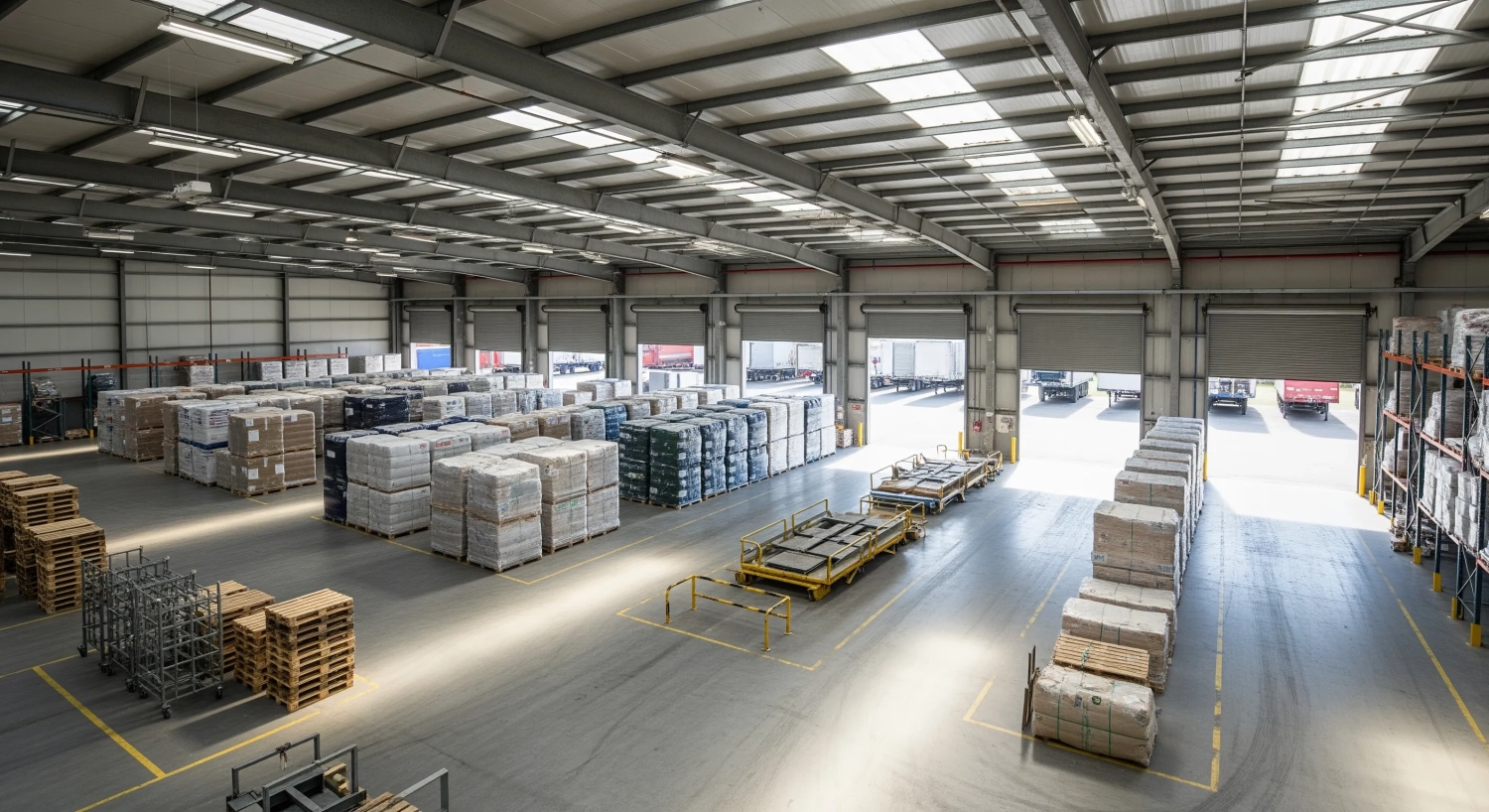
In the rapidly evolving landscape of B2B commerce, the second hand clothes wholesale export UK presents an unparalleled opportunity for businesses looking to maximize profits while promoting sustainability. This guide aims to illuminate the pathways of sourcing quality second-hand clothing effectively, ensuring your wholesale business thrives. With growing consumer awareness around ethical fashion, aligning your offerings with sustainable practices can place your enterprise at the forefront of this lucrative market.
Table of Contents
- Benefits of Second Hand Clothes Wholesale Export
- Grading Secondhand Clothing Bales
- Logistics and Supply Chain Considerations
- Minimizing Risk in Bulk Sourcing
- Industry Trends in Second-Hand Clothing
- Optimizing Your Wholesale Business Strategy
Benefits of Second Hand Clothes Wholesale Export
The second hand clothing market is a treasure trove of benefits, particularly for B2B wholesalers. Companies involved in second hand clothes wholesale export UK can offer unique, diverse inventory at competitive prices. This not only attracts a broader clientele but also secures consistent margins across various categories. Diversifying product lines can help in managing seasonality, ensuring sustainability and maximizing revenue streams.
Moreover, by choosing second hand clothing, businesses participate in a growing preference for ethical consumption. As consumers increasingly seek eco-friendly options, wholesalers able to provide sustainably sourced goods can capture the market segment that prioritizes environmental responsibility. This shift can significantly uplift sales and brand reputation.
Grading Secondhand Clothing Bales
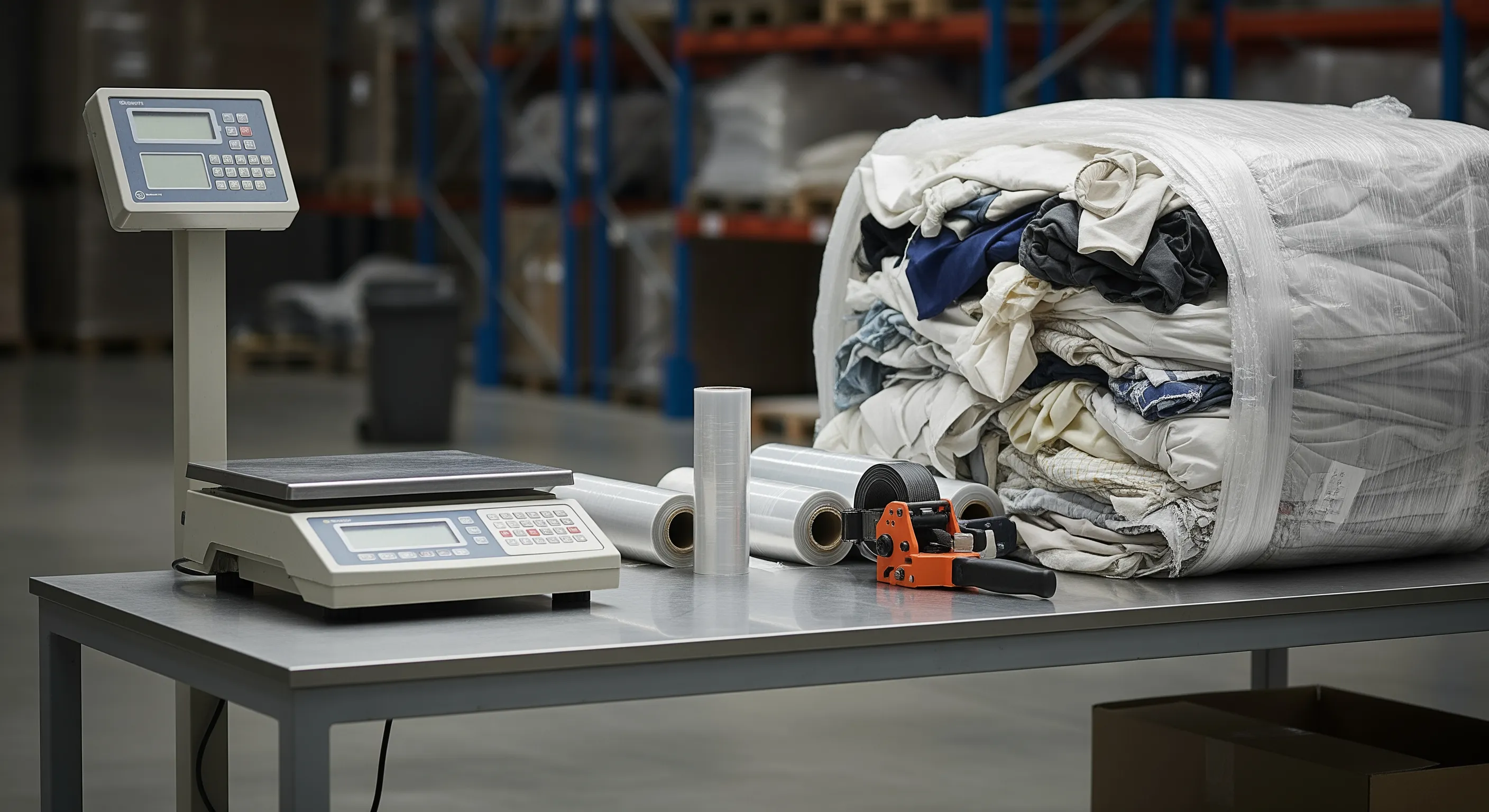
Grading is a critical aspect of the secondhand clothing wholesale process. Understanding and implementing a system for grading second hand clothes ensures that trade buyers know exactly what they are procuring and can set precise pricing strategies. Various grading levels, such as grade A, B, and C, allow resellers to target specific markets effectively.
Incorporating transparency in grading practices builds trust between suppliers and buyers. When resellers know they can rely on a grading system, they are more likely to establish long-term relationships, fostering repeat orders and stable revenue. It also aids in inventory turnover, which is crucial for minimizing storage costs.
Logistics and Supply Chain Considerations
Logistics is another essential component of successful wholesale operations within the UK export clothing market. Securing reliable shipping methods, particularly for bulk secondhand clothing, is vital for maintaining the supply chain's flow. Companies need to establish relationships with trusted freight forwarders to ensure timely delivery and cost-effectiveness.
Sourcing products with clear packing lists and cleanliness certifications aids in expediting customs processes, reducing delays which can impact sales cycles. A well-organized wholesale warehouse can facilitate fast turnaround times for orders, thus enhancing customer satisfaction and loyalty.

Minimizing Risk in Bulk Sourcing
Every wholesale business encounters risks, especially when dealing with bulk sourcing of second-hand clothing. Key approaches to mitigating these risks include thorough product assessments, procuring from reputable suppliers, and having clear contracts in place. It’s also wise to monitor emerging trends and customer preferences to ensure inventory relevance.
Implementing a robust returns policy can further protect your investment from unsold stock. Maintaining a diversified supplier base is essential to avoid disruptions from single sourcing, which can jeopardize inventory reliability.
Pro tip: Ensure your suppliers provide detailed grading reports and adhere to sustainable practices to reinforce your brand's commitment.
Industry Trends in Second-Hand Clothing
The second-hand clothing market has been experiencing significant growth, driven by increased consumer demand for unique items and a commitment to sustainability. Trends such as vintage apparel and upcycled fabrics are becoming more prominent, presenting opportunities for wholesalers to tap into niche markets.
Stay abreast of industry reports and analyses to adapt to these trends effectively. Engaging with trade shows and wholesale exhibitions can provide insights and help in networking with potential buyers and suppliers in your industry.
Optimizing Your Wholesale Business Strategy
For trade buyers, having a well-rounded business strategy can enhance profitability in the second hand clothes wholesale export UK sector. Focus on mastering your logistics for efficiency, having a clear understanding of your target audience, and pricing competitively based on quality and demand.
Consider implementing technology solutions like inventory management systems and CRM tools to streamline operations. Such systems can provide vital data analytics critical in decision-making to adapt your strategies based on market fluctuations.
Pro tip: Continuously assess your pricing strategy and adjust based on feedback from your customers to maximize both sales and customer retention.
Unlock Cost Savings and Inventory Variety with Trusted UK Bulk Clothing Sourcing

For trade buyers who need consistent bulk supply and clear grading expectations, explore Original Secondhand at originalsecondhand.com. If you’d like a quick recommendation on the best fit for your business model, volumes, and export requirements, contact the team here: Contact Us.
Frequently Asked Questions
What are the benefits of second hand clothes wholesale export?
Second hand clothes wholesale export offers access to unique inventory, competitive pricing, and aligns with ethical consumer preferences.
How is the grading of secondhand clothing performed?
Grading involves assessing the quality and condition of items, often categorized into different levels like grade A, B, and C.
What logistics considerations should wholesalers keep in mind?
Reliable shipping arrangements and streamlined customs processes are crucial for successful logistics operations.
How can risks be minimized in bulk sourcing?
By ensuring thorough assessments, maintaining diversified suppliers, and implementing clear returns policies, wholesalers can mitigate risks effectively.