
In the competitive landscape of B2B wholesale in the UK, sourcing second-hand Nike shoes can significantly enhance profitability. By tapping into this market, trade buyers gain access to quality footwear at reduced costs, allowing them to meet growing consumer demands for sustainable options. With reliable suppliers, optimal stock availability, and clear grading systems, businesses can establish a solid foundation for both immediate sales and long-term relationships with their clientele.
Table of Contents
- Benefits of Second Hand Nike Shoes
- The B2B Sourcing Process
- Grading Criteria for Nike Shoes
- Transport and Logistics
- Risk Mitigation in Wholesale
- Costs and Margin Control
Key Takeaways
| Consideration | Details |
|---|---|
| Min Order Quantities | Factor the sizing of your market; bulk purchases often lead to better pricing. |
| Grading Signals | Understand the quality indicators to ensure consumer satisfaction. |
| Logistics Readiness | Assess shipping capabilities to align with wholesale schedules. |
| Margin Discipline | Implement cost controls to safeguard profit margins against market fluctuations. |
Benefits of Second Hand Nike Shoes
One of the primary advantages of sourcing second hand Nike shoes wholesale is the cost-effectiveness. With rising consumer interest in sustainability and unique product offerings, trade buyers can meet these demands without incurring high acquisition costs. This not only boosts profitability but also enhances brand image as customers lean towards eco-friendly choices.
Additionally, the quality of second-hand Nike footwear often remains high, especially when sourced from reliable suppliers who ensure rigorous grading standards. Reliable grading gives buyers the confidence to purchase in bulk and resell effectively.
The B2B Sourcing Process
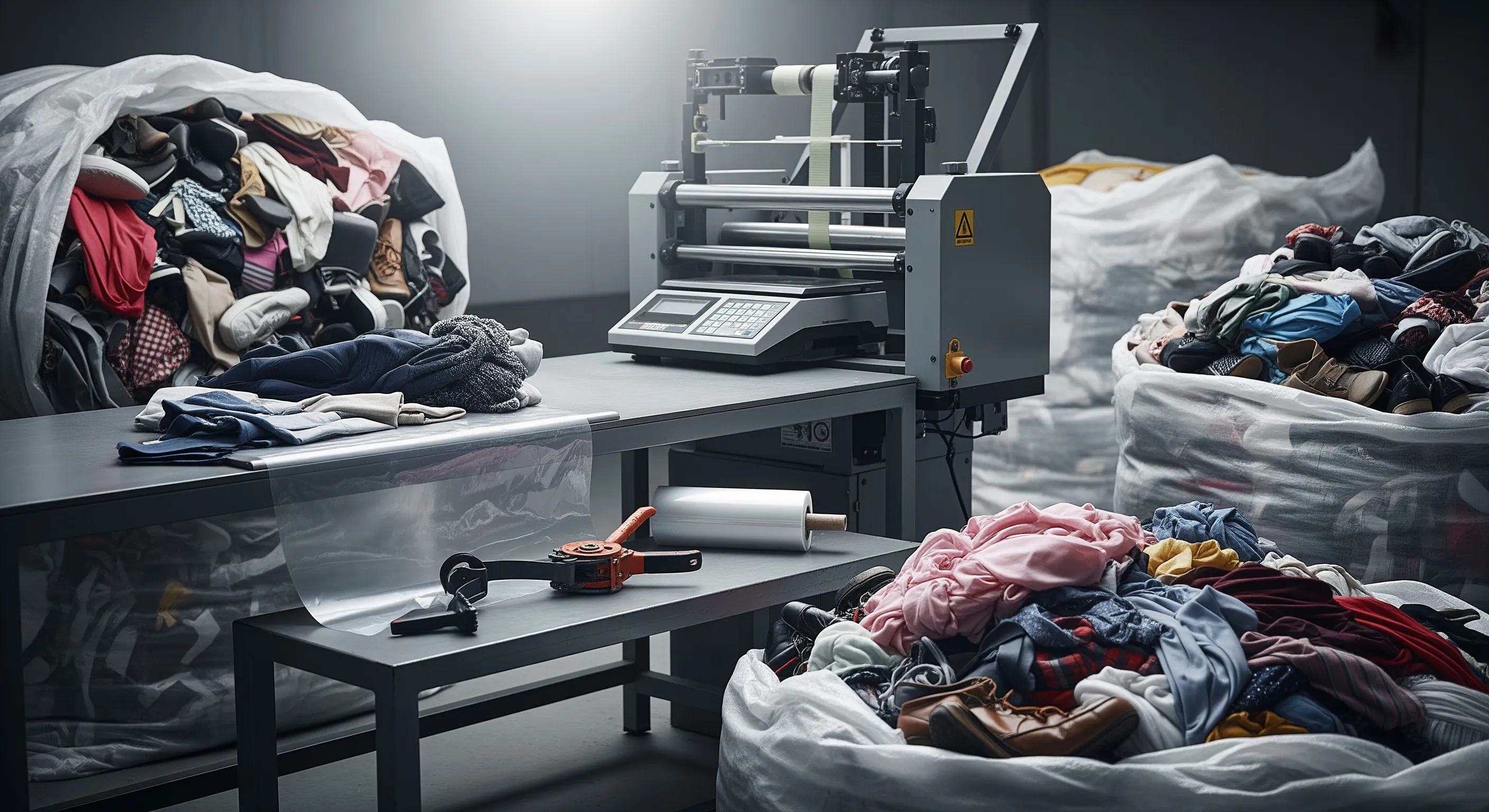
Navigating the B2B sourcing landscape requires strategic planning. Begin by identifying reliable suppliers who specialize in second-hand Nike footwear. Conducting thorough research into potential partners ensures that they align with your quality requirements and logistical capabilities.
Once a supplier is chosen, establishing clear communication regarding expectations for product quality, lead times, and packaging is crucial. This transparency reduces misunderstandings and helps streamline the ordering process, ensuring a smooth transaction from the supplier to the retail environment.
Grading Criteria for Nike Shoes
Grading Nike shoes effectively is vital for ensuring quality control and satisfactory resale experiences. Suppliers typically offer grading systems that categorize items based on their condition, such as 'A-grade,' 'B-grade,' or 'C-grade' footwear. Understanding these categories allows buyers to make informed purchasing decisions that align with their market strategies.
For example, 'A-grade' shoes typically showcase minimal signs of wear and can be priced higher, whereas 'B-grade' options may display some imperfections but still offer value. Such clarity in grading helps manage customer expectations and supports repeat business.
Transport and Logistics
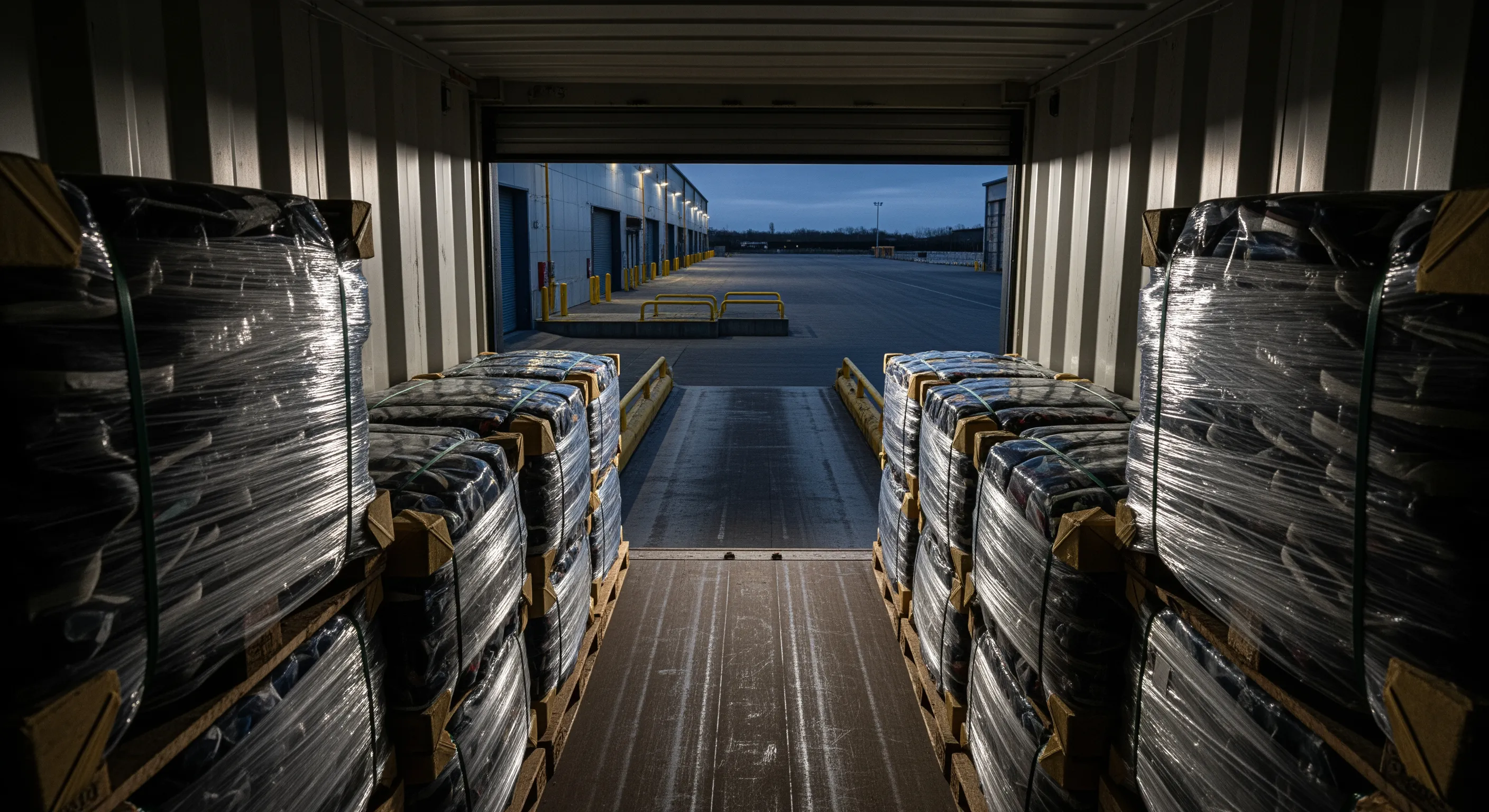
Efficient transport and logistics are integral to successful second-hand footwear operations. Organizing timely shipments from suppliers to the storage facilities and eventually to customers ensures a steady supply chain. Communication with logistics partners should detail timelines and storage capabilities for the products.
Consider collaborating with logistics firms that specialize in handling bulk items. This ensures that products are delivered safely and on time, enhancing overall service levels and customer satisfaction.
Pro tip: Establish relationships with logistics partners early in the sourcing process to streamline future shipments.
Risk Mitigation in Wholesale
Managing risks is essential for maintaining profitability in the wholesale space. Be aware of potential risks such as supply shortages or fluctuating shipping costs. Building strong partnerships with multiple suppliers can provide backup options when primary sources are compromised.
Moreover, diversifying your product portfolio by including various styles and grades can further mitigate risks associated with sudden market changes or shifts in consumer preferences. This approach allows for flexibility in adjusting offerings to meet current demands.
Costs and Margin Control
Implementing effective cost control strategies is critical for ensuring sound financial health in wholesale operations. Regularly review purchase prices, overheads, and logistics costs to identify areas for possible cutbacks. Setting clear pricing structures based on the grading of products helps ensure that profit margins are maintained, even under competitive conditions.
Moreover, leveraging technology for tracking expenses and inventory levels can simplify this process, enabling businesses to adapt their strategies as market conditions dictate.
Pro tip: Investigate bulk purchasing deals to secure better pricing and maintain a competitive edge in the market.
Unlock Cost Savings and Inventory Variety with Trusted UK Bulk Clothing Sourcing

For trade buyers who need consistent bulk supply and clear grading expectations, explore Original Secondhand at originalsecondhand.com. If you’d like a quick recommendation on the best fit for your business model, volumes, and export requirements, contact the team here: Contact Us.
Frequently Asked Questions
What are the benefits of buying second-hand Nike shoes?
Buying second-hand Nike shoes offers cost savings, sustainability, and the potential for higher profit margins.
How do I grade second-hand footwear?
Grading involves categorizing footwear based on its condition, typically ranging from 'A-grade' to 'C-grade' to indicate quality levels.
What should I consider when sourcing footwear?
Consider supplier reliability, grading standards, logistics capabilities, and market demands to ensure effective sourcing.
How can I mitigate risks in second-hand sourcing?
Diversifying suppliers and product types can help mitigate potential risks associated with supply chain disruptions or market fluctuations.