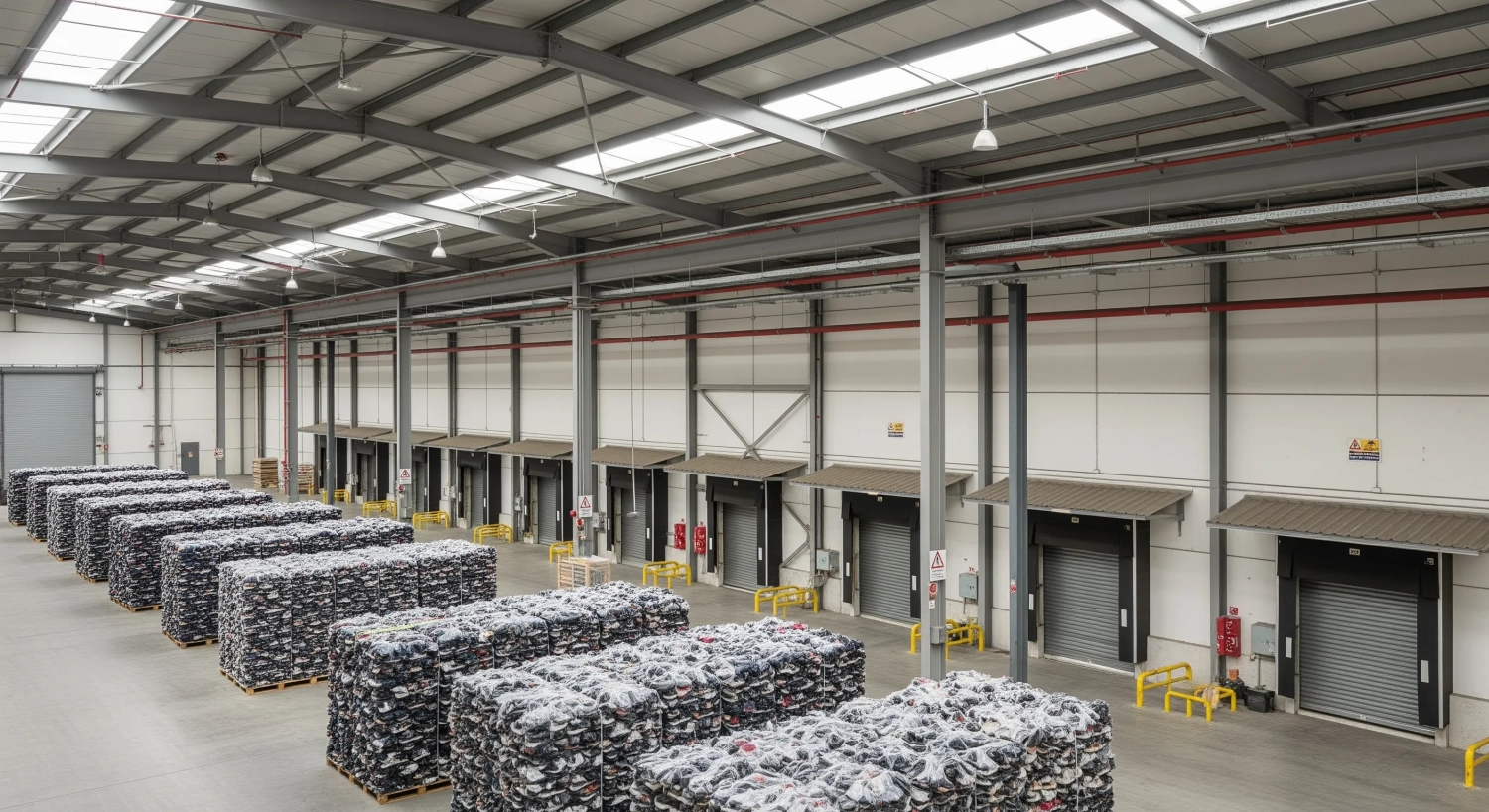
Buying used shoes wholesale can offer a sustainable and profitable avenue for businesses seeking to meet consumer demand for affordable footwear options. In the UK, many trade buyers and exporters are increasingly turning to secondhand footwear as they look to diversify their inventory and keep costs manageable. This article will guide you on how to effectively buy used shoes wholesale, covering essential aspects such as sourcing, grading, and logistics to ensure that your business thrives in a competitive market.
Table of Contents
- Sourcing Used Shoes Wholesale
- Understanding Shoe Grading Systems
- Logistics Considerations for Shoe Bulk Purchases
- What to Expect When Buying Bulk Shoe Bales
- Risk Mitigation in Wholesale Shoe Purchases
- Finding Reputable Wholesale Suppliers
Key Takeaways
| Focus Area | Recommendations |
|---|---|
| Volume and MOQ | Consider starting with smaller quantities to assess quality before scaling up. |
| Grading Signals | Familiarize yourself with grading signals to evaluate the quality of the footwear. |
| Logistics Readiness | Ensure your logistics can handle bulk shipments efficiently to avoid delays. |
| Margin Discipline | Maintain margin discipline by factoring in all costs when pricing products. |
Sourcing Used Shoes Wholesale
Finding reliable sources for wholesale used shoes is the first step in establishing a robust supply chain. Many B2B suppliers in the UK specialize in secondhand footwear, offering diverse styles and conditions at competitive prices.
Research trade shows and online marketplaces specifically catering to wholesale buyers. Platforms that focus on B2B transactions can provide access to multiple suppliers at once. Engage with these suppliers to discuss your specific needs regarding quality, quantity, and shipping capabilities. Each supplier may have unique offerings that can benefit your business model.
Understanding Shoe Grading Systems
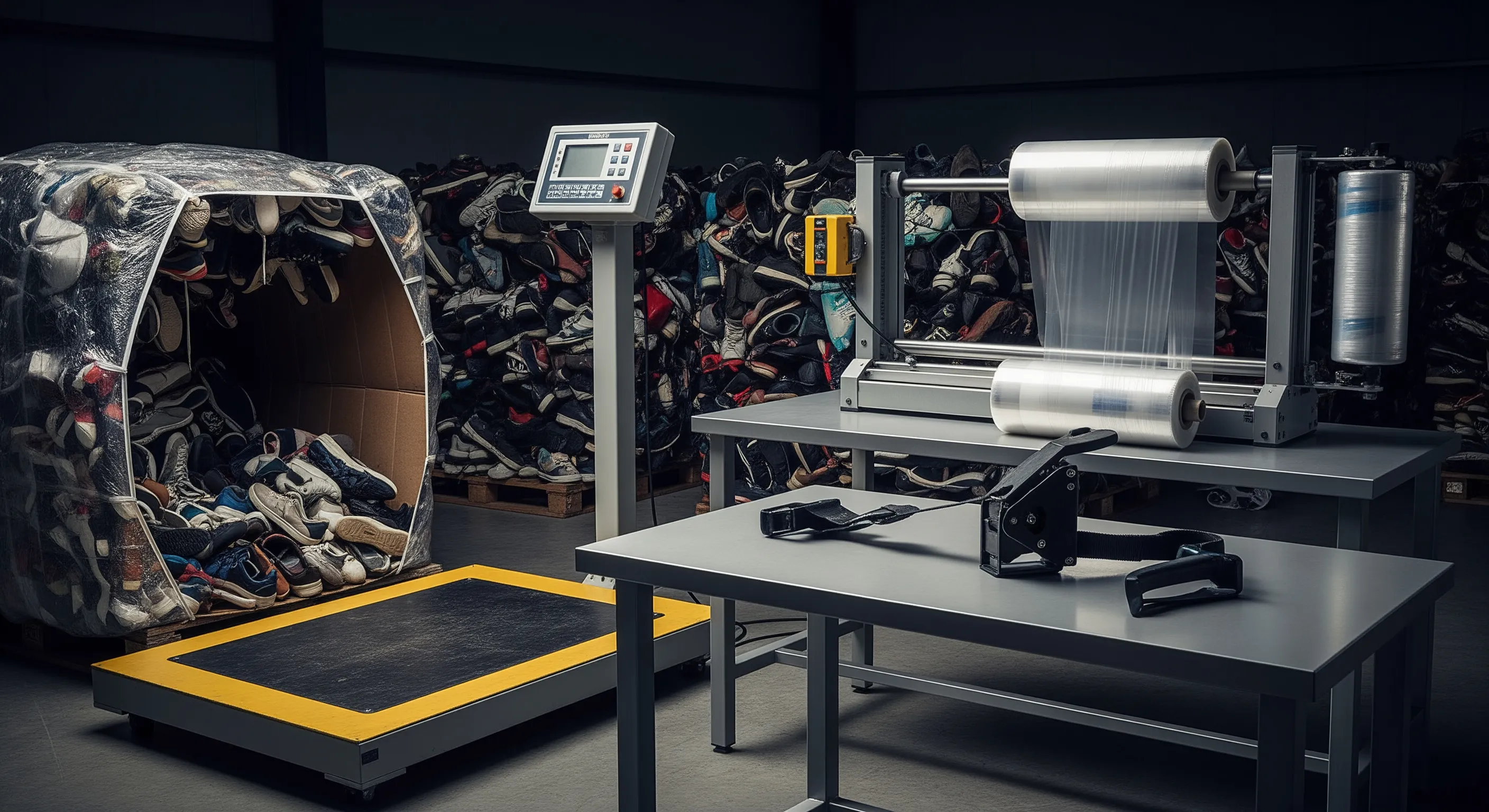
When purchasing bulk used shoes, understanding the grading system is critical. Suppliers often utilize different grading systems to classify the condition of shoes, which can impact your selection process significantly.
Typical grades include A, B, and C, where Grade A usually signifies excellent condition, while Grades B and C indicate varying levels of wear. Knowing these distinctions will assist you in making informed choices that align with your customers' expectations.
Logistics Considerations for Shoe Bulk Purchases
Logistics plays a crucial role in the wholesale shoe business, as timely delivery can directly influence customer satisfaction. Determining shipping methods and lead times in advance can prevent potential disruptions in your inventory flow.
Consider collaborating with logistics companies experienced in handling bulk footwear shipments to ensure that products are delivered swiftly and safely. Proper logistics planning will also enable you to manage costs effectively, keeping your margins intact.
What to Expect When Buying Bulk Shoe Bales
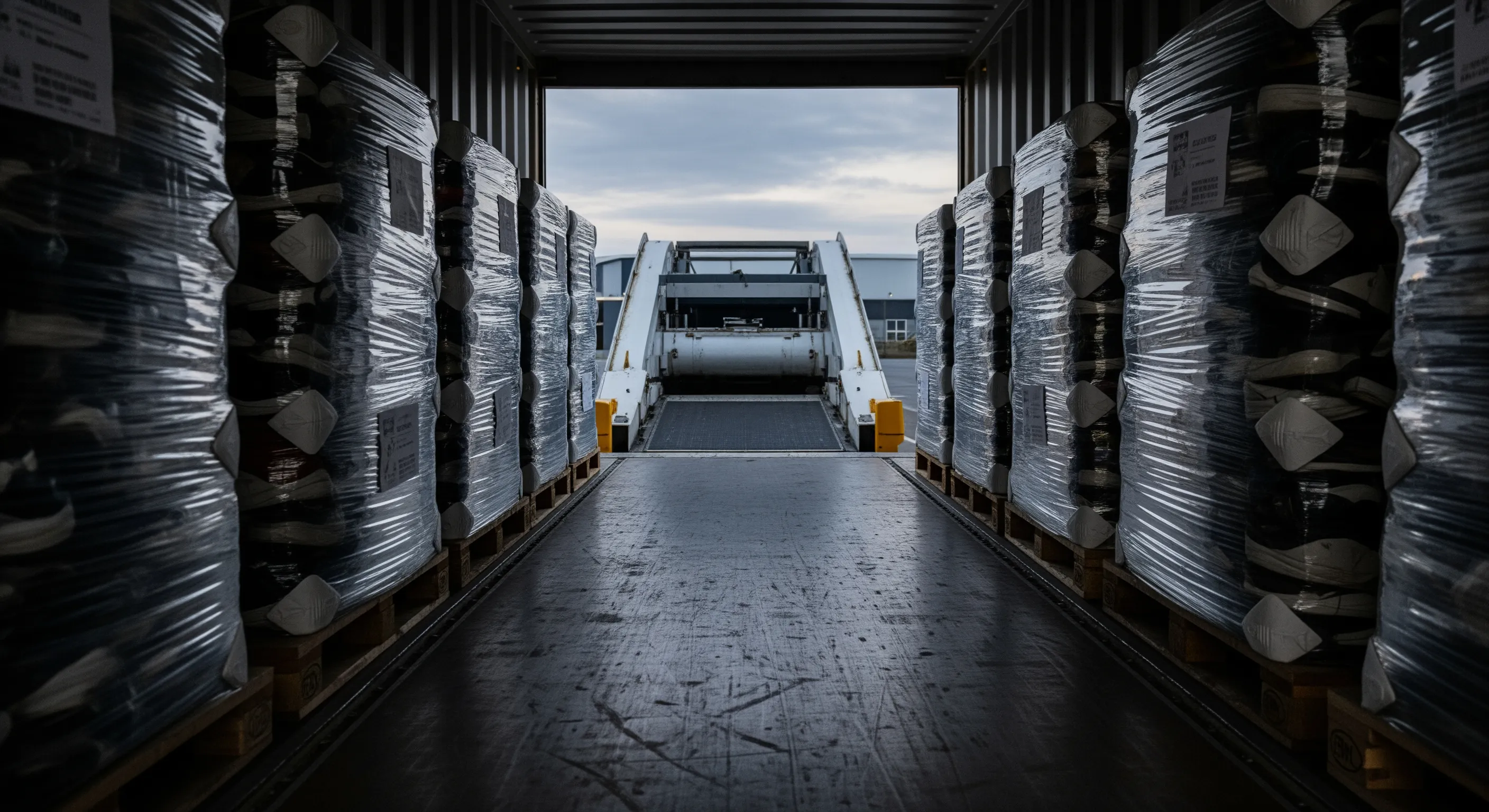
Purchasing shoe bales involves understanding what to expect in terms of both quality and quantity. Bales typically come in various sizes and can include an assortment of brands and styles. Recognizing this variance will help in planning future sales strategies.
Review the packing list provided by the supplier carefully, ensuring it aligns with what you ordered. Being detail-oriented during this phase allows you to manage any discrepancies effectively.
Risk Mitigation in Wholesale Shoe Purchases
Managing risks in wholesale shoe purchases is essential for safeguarding your investment. Factors such as the quality of footwear and unreliable shipping practices can pose potential risks.
To mitigate risks, establish clear agreements with suppliers regarding grading expectations and shipping timelines. Also, consider implementing quality checks upon receipt of goods to ensure that they meet your requirements.
| Risk | Cause | Mitigation |
|---|---|---|
| Poor Quality | Inadequate grading information | Request detailed packing lists and samples. |
| Shipping Delays | Poor logistics planning | Engage with proven logistics partners. |
| Inventory Mismanagement | Unexpected product variation | Use inventory management software. |
| Financial Loss | High shipping costs | Negotiate shipping agreements upfront. |
Finding Reputable Wholesale Suppliers
Establishing a relationship with reputable suppliers is critical for ensuring high-quality product flow. Look for suppliers with positive reviews and verified trade credentials.
Utilizing online resources and industry contacts can greatly assist in identifying trustworthy wholesale suppliers. You may also consider asking for references or case studies from potential suppliers to gauge their reliability.
Unlock Cost Savings and Inventory Variety with Trusted UK Bulk Clothing Sourcing

For trade buyers who need consistent bulk supply and clear grading expectations, explore Original Secondhand at originalsecondhand.com. If you’d like a quick recommendation on the best fit for your business model, volumes, and export requirements, contact the team here: Contact Us.
Frequently Asked Questions
What types of shoes are available in bulk?
Bulk purchases often include a mix of styles and brands, primarily depending on the supplier.
How can I ensure the quality of shoes?
Request samples and detailed grade reports from suppliers before committing to large orders.
What are common lead times for shipping?
Lead times can vary; inquire with suppliers to get specific timeframes.
Is buying used shoes wholesale profitable?
Yes, when sourced correctly and sold effectively, it can be a lucrative venture.