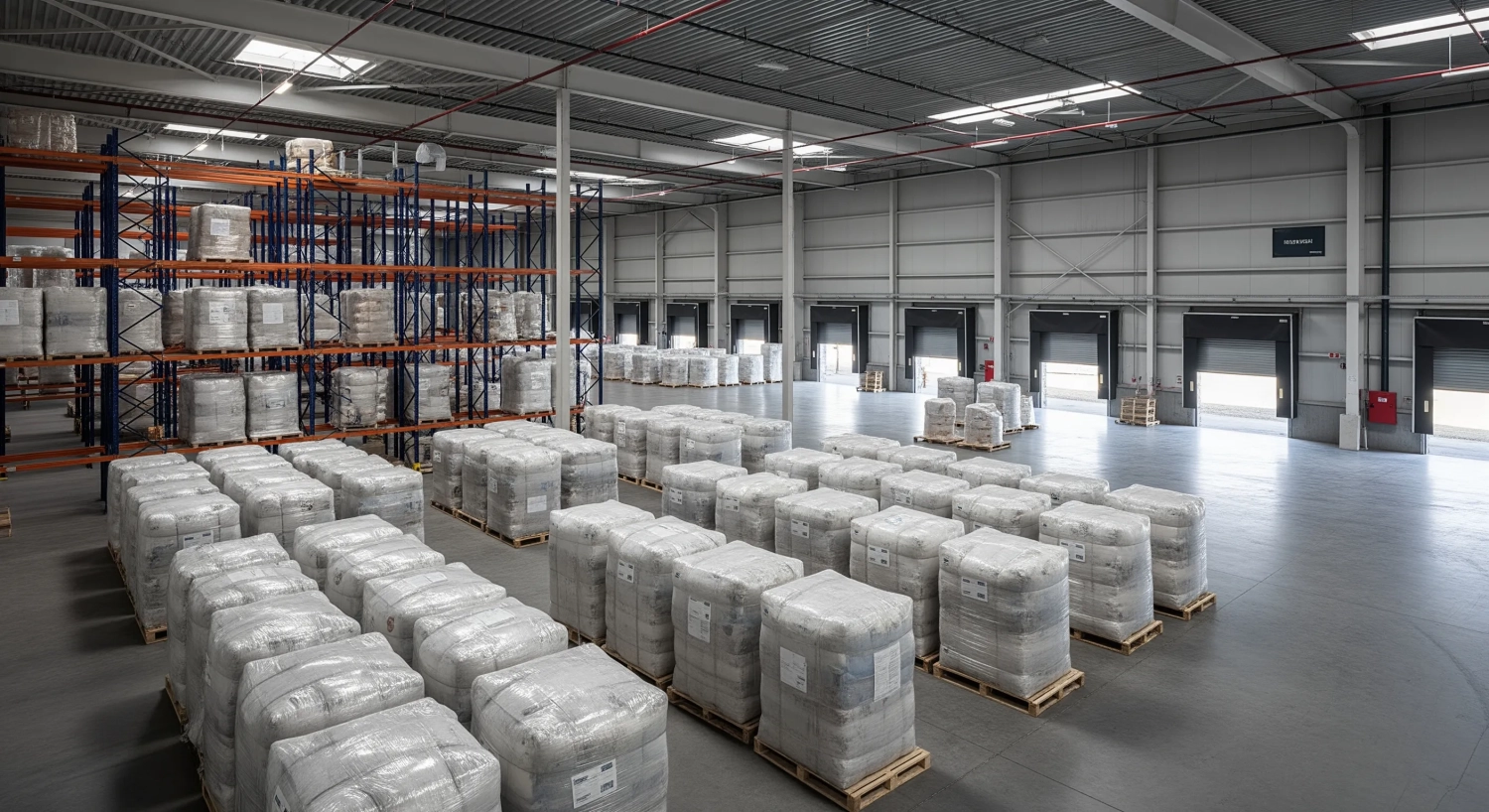
Securing a steady supply of used Nike shoes wholesale can significantly enhance inventory options for B2B buyers across various sectors. Whether you are an exporter, reseller, or store owner in the UK, having access to high-quality, secondhand Nike footwear presents a unique opportunity. This article explores the benefits, sourcing strategies, and logistical considerations vital for making informed purchasing decisions in the wholesale market.
Table of Contents
- Benefits of Using Secondhand Nike Shoes
- Sourcing Strategies for Bulk Nike Footwear
- Understanding Grading and Quality Control
- Logistics and Preparation for Exporting
- Risk Mitigation in Bulk Sourcing
- Market Trends and Demand for Secondhand Footwear
Key Takeaways
| Aspect | Consideration |
|---|---|
| Minimum Order Quantities | Consider the scale of your operations and potential market demand. |
| Quality Grading | Understand the grading system to match inventory with customer expectations. |
| Logistics Preparedness | Ensure all products are shipping-ready to avoid delays. |
| Margin Discipline | Assess cost versus retail price to maintain profit margins. |
Benefits of Using Secondhand Nike Shoes
Secondhand Nike shoes provide a cost-effective solution for businesses looking to diversify their inventory. The brand’s popularity ensures a consistent demand, making used Nike footwear a commercially viable option for wholesalers and retailers alike. Additionally, offering secondhand products can help businesses meet sustainability goals by promoting reusage and reducing waste.
Moreover, the potential profit margins on secondhand Nike shoes are compelling. As these shoes often come at a lower acquisition cost, businesses can pass on savings to customers while maintaining healthy margins. The trend towards environmentally conscious buying further enhances the marketability of secondhand products.
Pro tip: Establish a clear pricing strategy to attract trade buyers while remaining competitive in the used footwear market.
Sourcing Strategies for Bulk Nike Footwear
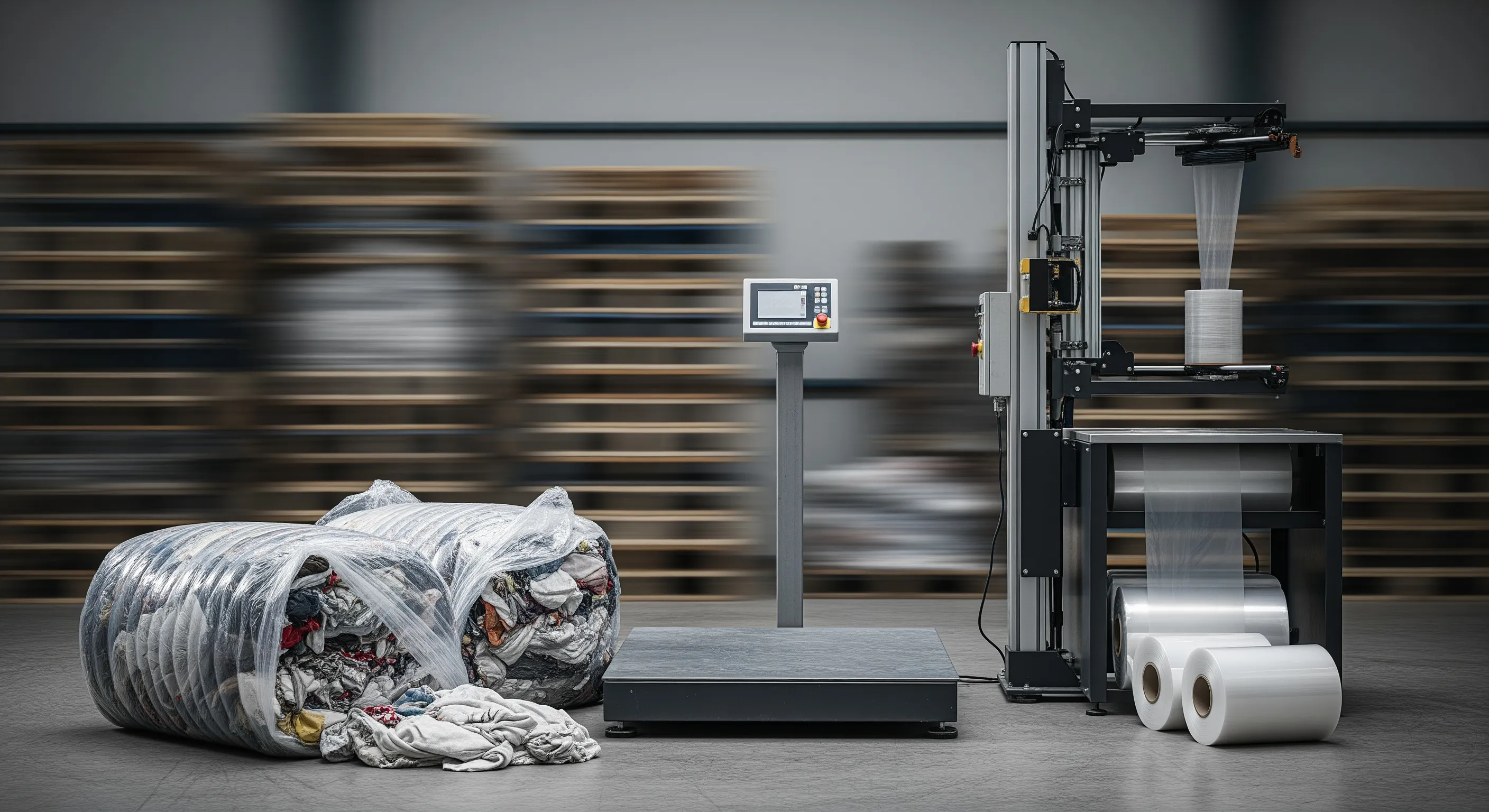
Identifying reliable suppliers is crucial in obtaining bulk used Nike shoes wholesale. Look for established B2B suppliers who specialize in specific footwear categories to ensure quality and consistency. Building relationships with suppliers can facilitate better deals and more favorable terms over time.
Networking with other wholesalers and attending trade shows can also be beneficial for making contacts in the industry. These platforms provide opportunities to learn more about sourcing tactics and to connect directly with manufacturers, which can streamline your supply chain.
Pro tip: Always ask for sample products before committing to large orders to assess quality firsthand.
Understanding Grading and Quality Control
Grading is an essential aspect of sourcing secondhand Nike shoes. Familiarize yourself with different grading systems to ensure that the products you acquire meet your quality standards. Generally, grades range from A (excellent condition) to C (more visible signs of wear).
Implementing a systematic quality control process can help mitigate risks associated with defects and returns. For instance, a thorough inspection before purchasing can safeguard against future claims. Providing clear grading on all products enhances transparency and builds trust with your buyers.
Pro tip: Document the quality control process in detail to ensure consistency across orders and enhance product reliability.
Logistics and Preparation for Exporting
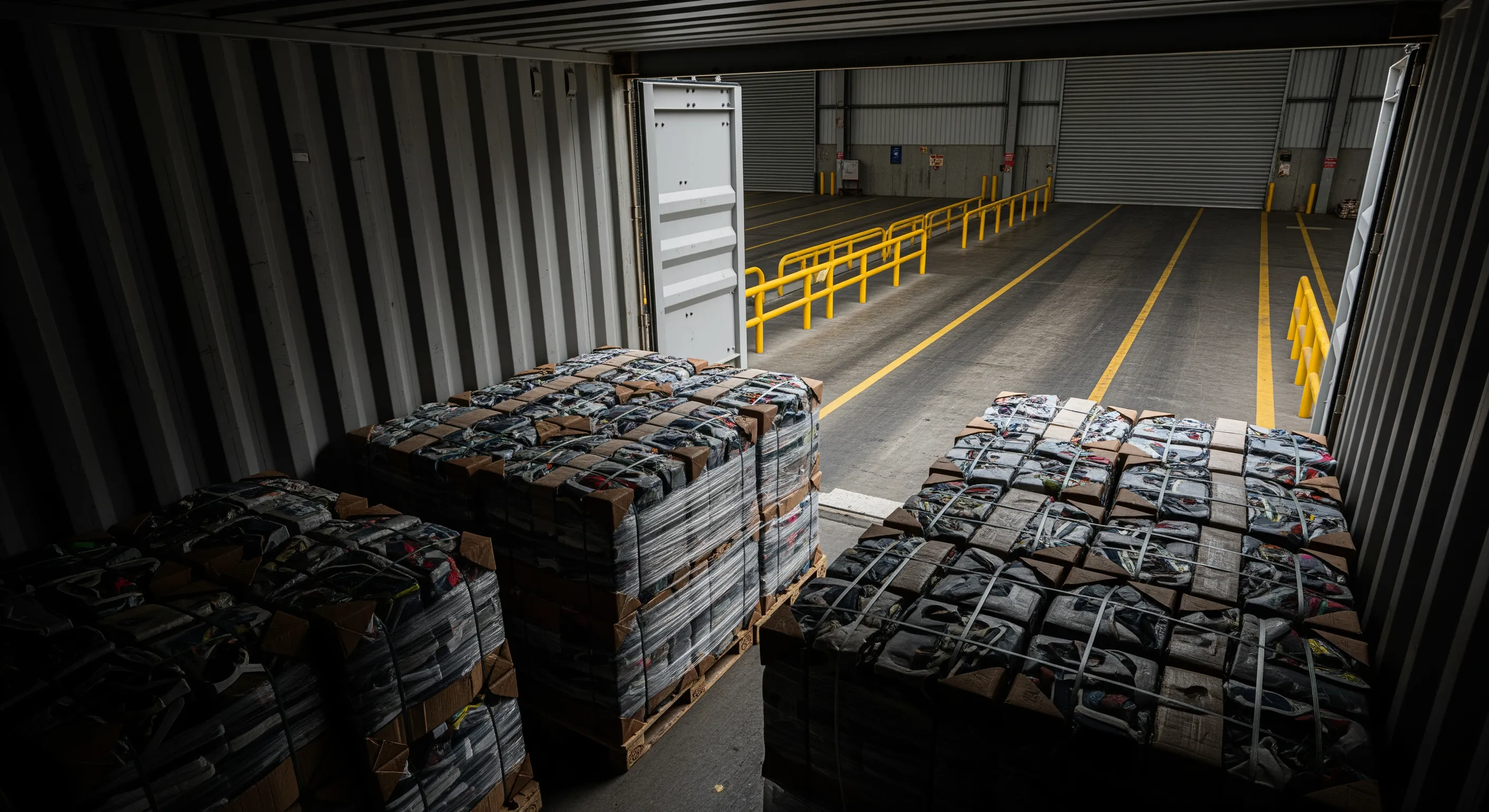
Efficient logistics are vital for successful exports of used Nike shoes. Ensure that your operations comply with international shipping regulations to avoid delays. Preparation should include accurate packing lists and clear labeling to facilitate smooth customs clearance.
Working with experienced freight forwarders who understand the requirements for exporting footwear can also streamline the process. They can provide insights on best practices and help navigate potential obstacles in the shipping logistics.
Pro tip: Collaborate with logistical partners early in the process to ensure your export operations are aligned for best practices.
Risk Mitigation in Bulk Sourcing
Every business faces risks when sourcing goods in bulk. To mitigate potential issues, it’s essential to have strategies in place. For example, conducting thorough background checks on suppliers can help prevent fraud or subpar products.
Establishing a clear returns policy can also safeguard your interests. This not only protects your investment but also reassures customers about their purchases, enhancing their buying experience and building loyalty.
| Risk | Cause | Mitigation |
|---|---|---|
| Supplier Reliability | Untracked suppliers can lead to inconsistent quality. | Use a checklist for supplier validation. |
| Shipping Delays | Unforeseen customs-related issues can cause delays. | Communicate with freight forwarders regularly. |
| Quality Claims | Receiving defective products can lead to returns. | Implement a robust quality control process. |
| Market Fluctuations | Changes in demand can affect pricing. | Diversify your product offerings. |
Market Trends and Demand for Secondhand Footwear
Understanding current market trends is essential for making informed decisions in the used footwear sector. The rise in consumer awareness regarding sustainability has driven up demand for secondhand products, including Nike shoes. Many buyers are now looking for more environmentally responsible purchasing options.
Additionally, the growing popularity of online marketplaces allows for greater visibility and access to secondhand items. Businesses can leverage this trend to target their marketing efforts, potentially increasing sales and expanding their customer base.
Pro tip: Regularly analyze market reports and consumer preferences to stay ahead in the competitive landscape of secondhand footwear.
Unlock Cost Savings and Inventory Variety with Trusted UK Bulk Clothing Sourcing

For trade buyers who need consistent bulk supply and clear grading expectations, explore Original Secondhand at originalsecondhand.com. If you’d like a quick recommendation on the best fit for your business model, volumes, and export requirements, contact the team here: Contact Us.
Frequently Asked Questions
What are the benefits of buying used Nike shoes in bulk?
Buying used Nike shoes in bulk allows businesses to save on costs and cater to an environmentally conscious market, while potentially generating solid profit margins.
How do I assess the quality of secondhand Nike footwear?
Utilize grading systems and ensure that quality control checks are in place before finalizing bulk purchases.
What are typical lead times for bulk Nike shoe orders?
Lead times can vary by supplier but generally range from a few weeks to a month, depending on order volume and logistics.
How can I mitigate risks when sourcing used shoes?
Implement strict supplier vetting processes, maintain clear communication, and define product return policies.