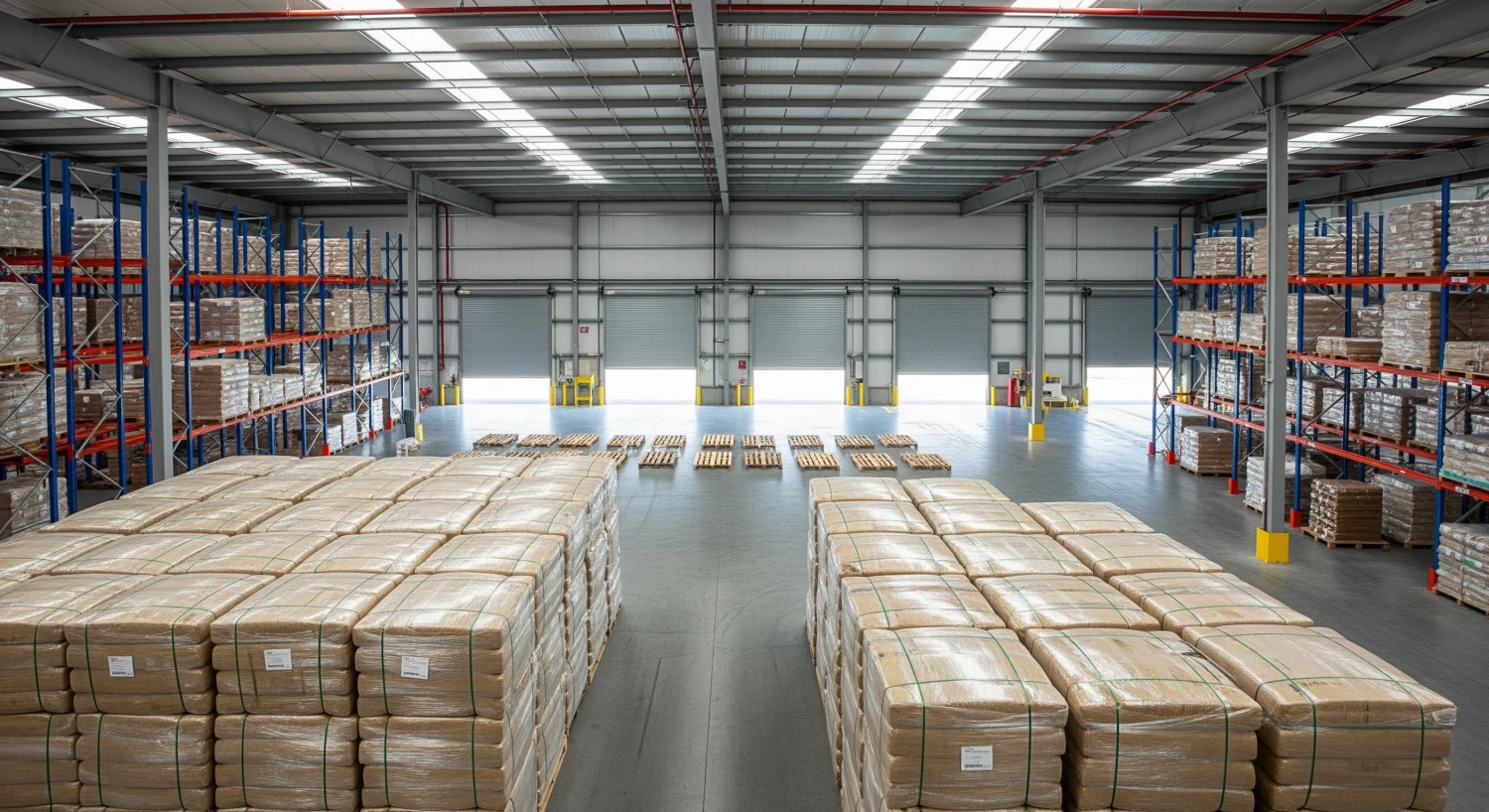
For trade buyers seeking bulk quality clothing, wholesale second-hand clothing offers an economical and sustainable solution. Sourcing second-hand clothing wholesale is ideal for exporters, reseller businesses, and retailers in the UK looking for a reliable supply of graded garments. This avenue not only provides a cost-effective way to stock diverse inventory but also aligns with responsible sourcing practices. Explore how Original Secondhand can help elevate your business with quality products ready for export or retail.
Table of Contents
- Understanding the Wholesale Second-Hand Market
- Grade and Quality Assurance in Wholesale Second-Hand Clothing
- Benefits of Sourcing from a Specialised Wholesale Supplier
- How to Choose the Right Wholesale Clothing Supplier
- Logistics and Logistical Readiness for Exporting Second-Hand Clothing
- Navigating Challenges in Wholesale Second-Hand Clothing
Key Takeaways
| Consideration | Best Practice |
|---|---|
| Minimum Order Quantity (MOQ) | Understand the MOQ to ensure consistent supply without overcommitting. |
| Grading Signals | Learn to identify different clothing grades for better selection. |
| Logistics Readiness | Ensure suppliers can meet your logistics needs for efficient shipping. |
| Risk Control | Implement measures to manage risks, such as product quality and supply chain delays. |
Understanding the Wholesale Second-Hand Market
The wholesale second-hand clothing market offers an opportunity for businesses to access a diverse range of garments at competitive prices. With sustainability becoming more prominent, the appeal of second-hand clothing is growing among consumers. This shift is not only advantageous for buyers seeking unique products but also beneficial for retailers aiming to differentiate from competitors.
Knowing the market dynamics, including demand trends and consumer preferences, can significantly enhance sourcing strategies. To capitalize on these trends, trade buyers should research potential products and their respective market appeal to ensure profitability.
Pro tip: Engage with industry-specific reports to update your market knowledge regularly.
Grade and Quality Assurance in Wholesale Second-Hand Clothing
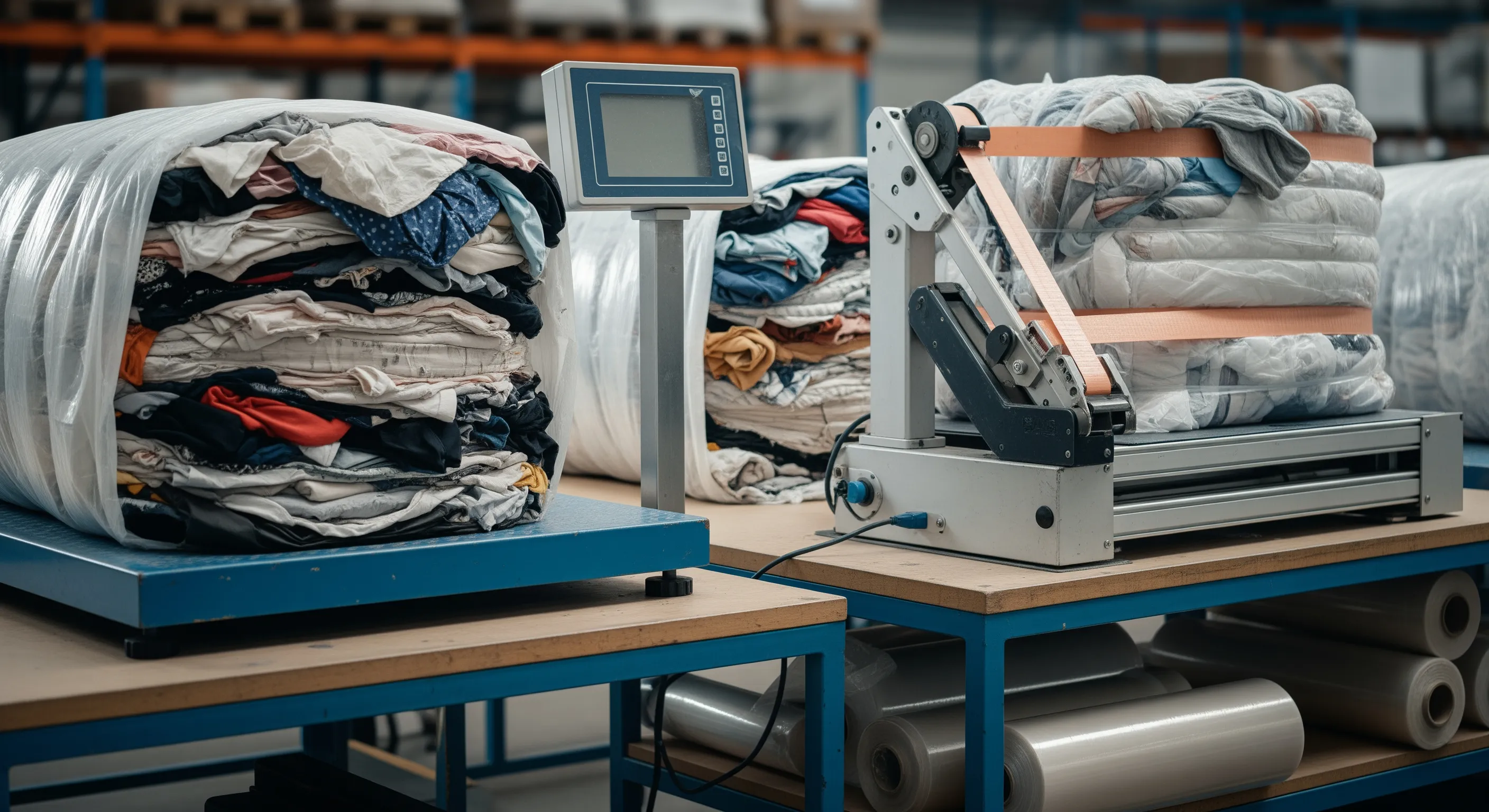
Quality assurance is critical in the wholesale second-hand clothing business. Various grading systems help classify items, ensuring buyers receive products that meet their specifications. High-quality bales can lead to better margins for resellers and store owners.
Understanding different grades, such as A1, A2, and B grades, can significantly impact the selection process. By focusing on relying on trusted suppliers that adhere to strict grading specifications, buyers can mitigate risks associated with product quality.
Pro tip: Regularly review suppliers' grading processes to align with your quality expectations.
Benefits of Sourcing from a Specialised Wholesale Supplier
Choosing a specialised wholesale supplier offers numerous advantages, including access to expert knowledge and a refined selection of products. Such suppliers often provide additional services like detailed packing lists and transparency in grading, fostering a more effective partnership.
Additionally, focused suppliers typically have enhanced logistics capabilities, which can streamline order fulfillment and reduce lead times. This can be immensely valuable for businesses aiming to maintain stock levels and meet customer demands promptly.
Pro tip: Establish a good rapport with your supplier to enhance communication and responsiveness.
How to Choose the Right Wholesale Clothing Supplier
Selecting the right supplier is crucial for successful wholesale operations. Potential buyers should assess suppliers based on their reputation, product quality, and service delivery. Consideration of factors like minimum order quantities and past performance in delivering bulk orders can provide insights into their reliability.
Furthermore, visits to suppliers' warehouses can provide firsthand insight into their operations and inventory quality. This not only helps in establishing trust but also aids in making educated decisions regarding sourcing.
Pro tip: Always ask for product samples to evaluate quality before placing large orders.
Logistics and Logistical Readiness for Exporting Second-Hand Clothing
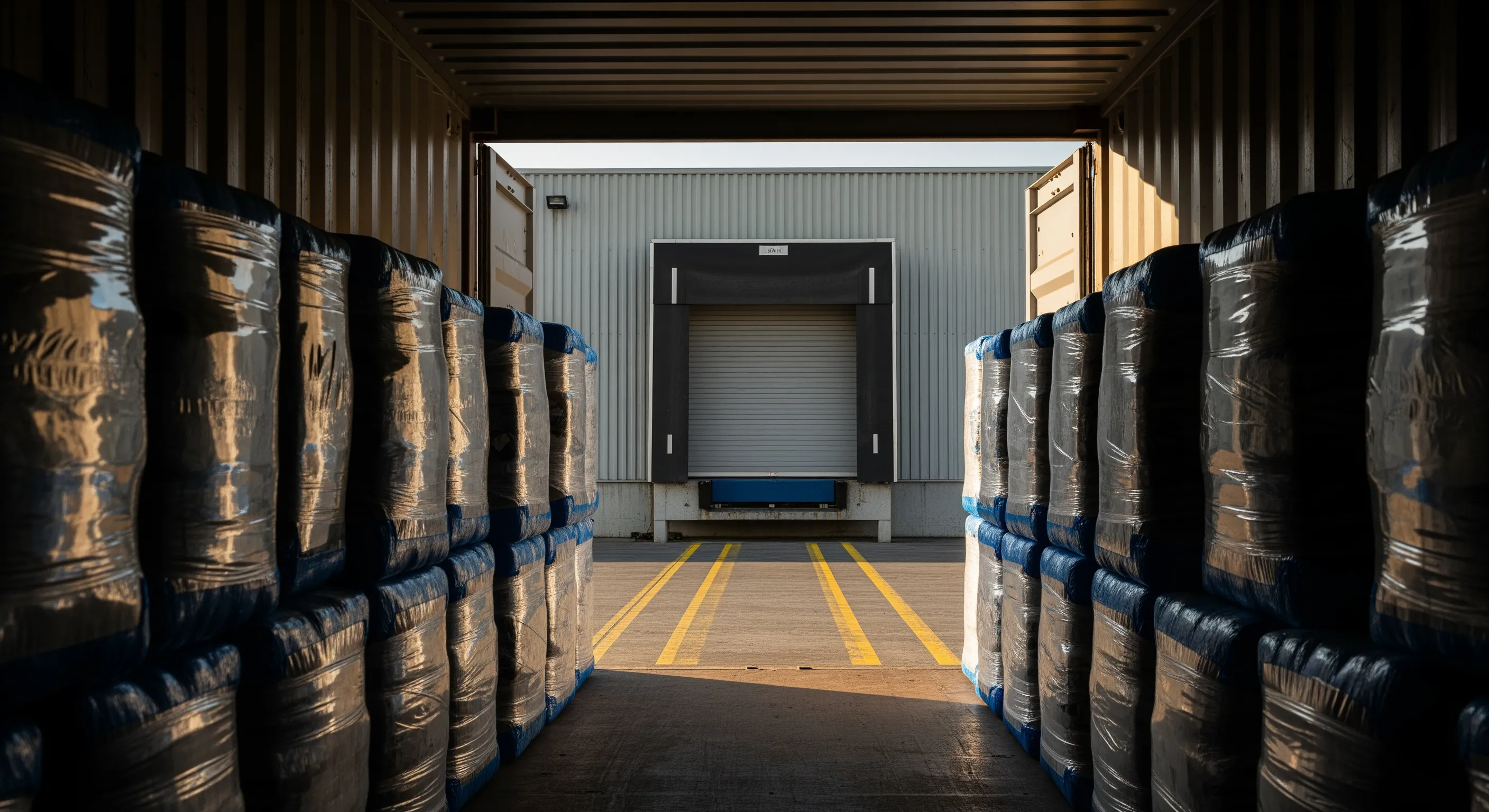
Efficiency in logistics is paramount for successful wholesale operations. Buyers need to ensure that their suppliers have reliable shipping options, as delays in logistics can directly impact sales and profitability. Understanding timelines, port procedures, and customs regulations is essential when exporting second-hand clothing.
Proper preparation can help prevent logistics-related challenges and streamline the export process. Leveraging suppliers who are experienced in international shipping can offer significant advantages in navigating these complexities.
Pro tip: Create a logistics checklist to ensure all aspects are covered for exports.
Navigating Challenges in Wholesale Second-Hand Clothing
In the wholesale second-hand clothing sector, businesses often face challenges including fluctuating demand and unpredictable quality. Developing a proactive approach to these challenges can reinforce business stability. Utilizing stock management systems and diversifying inventory can help mitigate the impact of demand variability.
Additionally, effective communication with suppliers can address quality concerns and ensure prompt resolutions. Adopting systematic quality control measures will help maintain standards and facilitate smoother business operations.
Pro tip: Keep abreast of trends in consumer preferences to adapt sourcing strategies effectively.
Unlock Cost Savings and Inventory Variety with Trusted UK Bulk Clothing Sourcing

For trade buyers who need consistent bulk supply and clear grading expectations, explore Original Secondhand at originalsecondhand.com. If you’d like a quick recommendation on the best fit for your business model, volumes, and export requirements, contact the team here: Contact Us.
Frequently Asked Questions
What is the minimum order quantity for second-hand clothing?
The minimum order quantity varies by supplier, so it’s essential to confirm directly with the supplier.
How can I ensure the quality of the clothing I receive?
Working with reputable suppliers who provide detailed grading can help ensure quality.
What are the shipping options for exporting second-hand clothing?
Shipping options will depend on the supplier, but reliable suppliers typically offer standard freight and express options.
Can I visit the warehouse of the supplier?
Many suppliers welcome warehouse visits, as it allows buyers to assess inventory and operations.