
Purchasing second-hand clothes in bulk presents an attractive opportunity for trade buyers looking to diversify their inventory while being environmentally responsible. The wholesale market for second-hand clothing has gained traction due to increasing consumer demand for sustainable fashion. Understanding the logistics, quality grading, and sourcing options is crucial for making informed purchases. Effective strategies can help you maximize profit margins while meeting your customers' needs in this competitive sector.
Table of Contents
- Understanding the Current Market
- Establishing Relationships with Suppliers
- Grading Criteria for Bulk Clothing
- Logistics and Preparation for Purchase
- Mitigating Risks in Bulk Purchases
- Embracing Sustainability and Future Trends
Key Takeaways
| Focus Area | Insights |
|---|---|
| Grading Standards | Understand different grading systems to assess quality and value. |
| Logistics Preparation | Plan for shipping and warehousing logistics to ensure timely delivery. |
| Supplier Relationships | Build strong relationships with reliable suppliers for repeat orders. |
| Risk Control | Implement measures to control risks associated with bulk purchasing. |
Understanding the Current Market
Before embarking on a bulk purchase of second-hand clothes, it's essential to understand the current market dynamics. The global shift towards sustainable fashion is driving demand for second-hand clothing across various demographics. Research indicates that second-hand clothing markets are experiencing significant growth, prompting businesses to adapt to this demand.
According to recent studies, the collection of used clothing commodities in the Global North is evolving, reflecting changing consumer preferences and economic factors. Building awareness of these dynamics can help you position your business effectively within this expanding market.
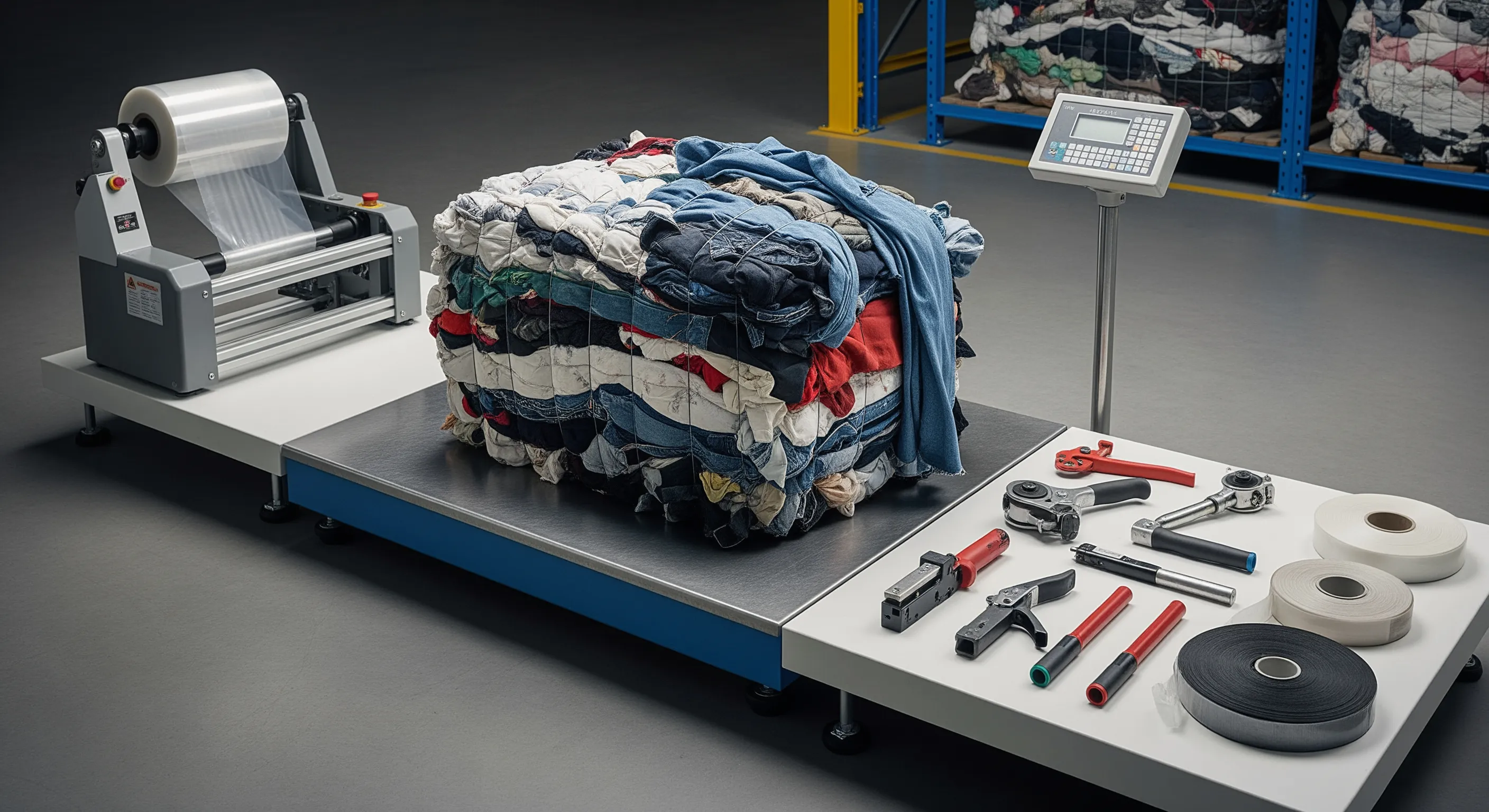
Pro tip: Regularly analyze market trends to stay competitive and align your inventory with consumer demands.
Establishing Relationships with Suppliers
Forming partnerships with reliable suppliers is crucial in the wholesale second-hand clothing sector. Supplier relationships directly impact the terms of purchase, pricing, and the quality of goods received. Engaging with multiple suppliers can ensure that you have a steady supply of inventory.
According to industry insights, circular fashion platforms create opportunities for stakeholders to collaborate, leading to better sourcing practices. Prioritize suppliers who are transparent about their grading systems and provide detailed packing lists to facilitate logistics readiness.
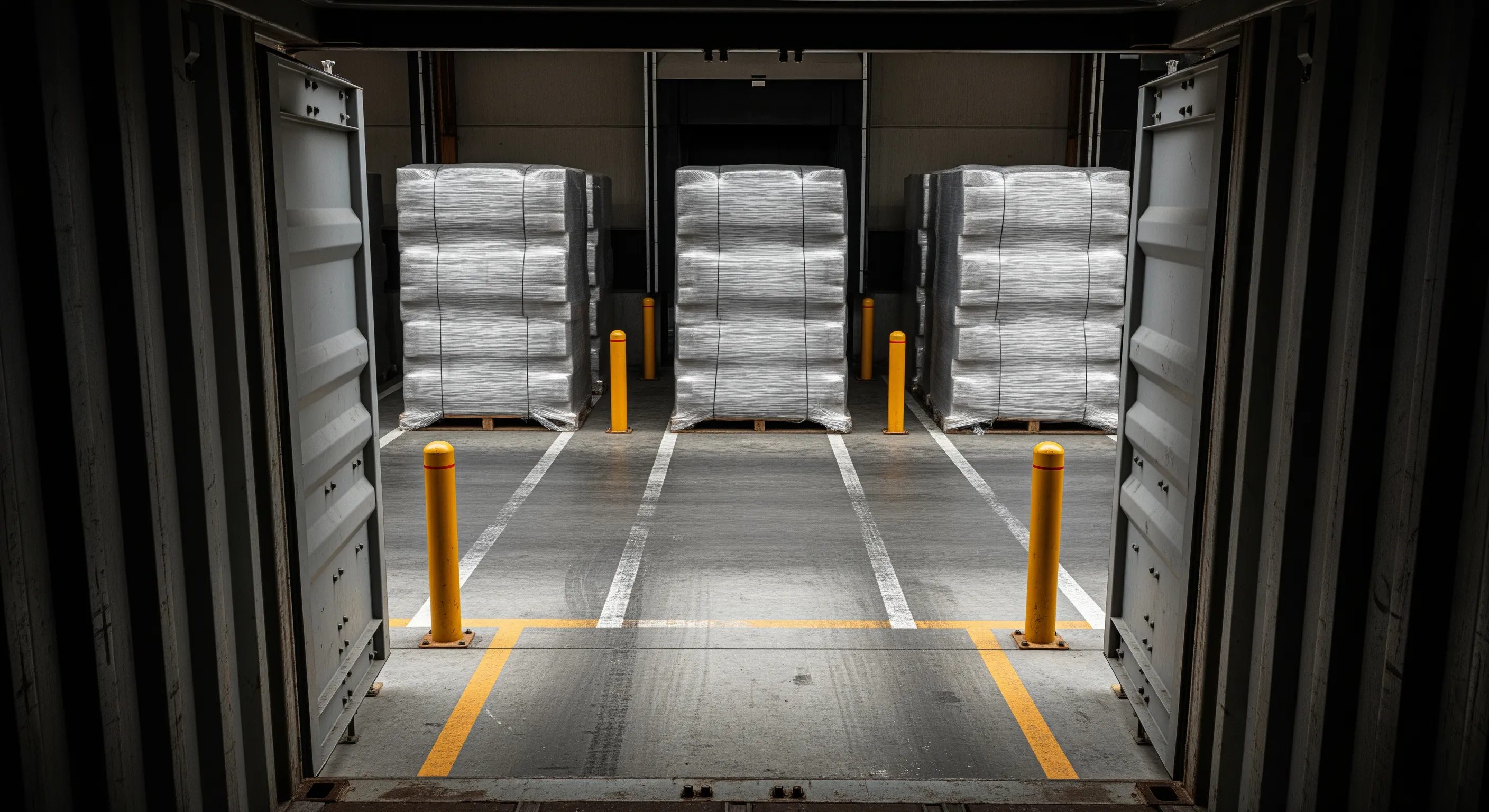
Pro tip: Keep communication channels open with suppliers for addressing concerns and being informed about upcoming inventory.
Grading Criteria for Bulk Clothing
Understanding the grading criteria for second-hand clothing is essential for making informed purchases. Different suppliers may use various grading systems, which can significantly affect the quality and value of the bulk purchase. Familiarize yourself with terms like 'A-grade', 'B-grade', and 'unsorted' to navigate these classifications effectively.
Research shows that consumers are increasingly concerned about quality, making it vital to source higher-grade items that match market demand. Utilizing grading insights can enhance inventory selections and minimize unsold stock.
Pro tip: Regularly review grading criteria to ensure consistency in your purchasing strategy.
Logistics and Preparation for Purchase
Preparing for the logistics of purchasing second-hand clothing in bulk involves understanding shipping, handling, and storage solutions. Make sure to plan for transport costs and potential lead times prior to confirming any orders.
As highlighted in the Techno-scientific assessment reports, proper logistics management can lead to improved resource efficiency in the textile sector. Ensure your warehousing solutions are capable of handling the incoming inventory and are equipped with necessary tools for efficient sorting and quality control.
Pro tip: Keep updated logistics timelines to streamline operations and avoid delays.
Mitigating Risks in Bulk Purchases
Bulk purchasing carries inherent risks including quality control issues and potential for stock obsolescence. It's essential to implement measures to mitigate these risks. Conduct thorough evaluations of suppliers and their grading practices.
Research from European assessments on the textile industry indicate that thorough supplier evaluations can lead to better purchasing outcomes. Establish clear return policies to safeguard your investment and maintain a good reputation.
| Risk | Cause | Mitigation Strategy |
|---|---|---|
| Quality Discrepancies | Inconsistent grading practices | Implement rigorous quality checks before purchase |
| Logistical Delays | Poor transport planning | Establish reliable logistics partners |
| Excess Inventory | Overestimation of market demand | Use data analytics for accurate forecasting |
| Supplier Reliability | Unverified suppliers | Conduct supplier audits and assessments |
Pro tip: Maintain open lines of communication with suppliers to monitor any emerging risks.
Embracing Sustainability and Future Trends
As the second-hand clothing market evolves, it is vital for businesses to embrace sustainability and look ahead. A growing interest in eco-friendly practices motivates suppliers to adopt better sourcing and processing techniques. By staying aligned with sustainable practices, your business can enhance its market position.
Recent findings indicate that as much as 65% of materials can be redirected towards reuse when proper management practices are in place—see the Unlocking Resource Efficiency report. This commitment to sustainability not only meets consumer demand but also strengthens brand loyalty and opens doors to new market opportunities.
Pro tip: Regularly review your sustainability policies to ensure they reflect industry best practices.
Unlock Cost Savings and Inventory Variety with Trusted UK Bulk Clothing Sourcing

For trade buyers who need consistent bulk supply and clear grading expectations, explore Original Secondhand at originalsecondhand.com. If you’d like a quick recommendation on the best fit for your business model, volumes, and export requirements, contact the team here: Contact Us.
Frequently Asked Questions
What should I look for when selecting a supplier?
Prioritize suppliers with transparent grading systems, reliable logistics, and a history of consistent quality.
How can I effectively manage inventory?
Utilize data analytics to predict trends and adjust purchases accordingly to avoid excess stock.
Is sustainability a concern in second-hand clothing?
Yes, sustainability is increasingly valued by consumers and should be a consideration in sourcing practices.
What are the risks of bulk purchasing?
The main risks include quality discrepancies, logistical delays, and excess inventory, which can be mitigated through careful planning.