
For B2B buyers in the UK, sourcing used clothes wholesale offers a competitive edge in today's diverse marketplace. This model provides not only quality garments but also significant cost savings that can support larger operations and export initiatives. By navigating the complexities of grading, packing, and logistics, businesses can ensure a steady stream of inventory tailored to their clientele, enhancing profitability while contributing to sustainability in fashion.
Table of Contents
- Understanding the Benefits of Used Clothes Wholesale
- How to Source Quality Used Clothes
- Navigating Clothing Grading Systems
- Effective Logistics Solutions
- Mitigating Risks in Wholesale Sourcing
- The Future of Used Clothes Wholesale
Key Takeaways
| Practical Considerations | Details |
|---|---|
| Minimum Order Quantities | Understand your volume needs based on your sales strategy to optimize supply and cost. |
| Clothing Grading Insights | Familiarize yourself with the grading system to set quality expectations and pricing. |
| Logistics Readiness | Have a clear plan for shipping and receiving goods to ensure timely deliveries. |
| Risk Management Strategies | Implement controls to mitigate claims and loss through careful selection of suppliers. |
Understanding the Benefits of Used Clothes Wholesale
Sourcing used clothes wholesale in the UK provides significant advantages, particularly for exporters and wholesale resellers. First and foremost, it allows buyers to access a diverse range of products at a lower cost compared to new garments. This financial flexibility is crucial for businesses looking to maintain competitive pricing in their offering.
The environmental benefits cannot be overlooked either; choosing secondhand clothing contributes to reducing textile waste, aligning with sustainable practices appreciated by today's consumers.
By establishing relationships with trusted B2B clothing suppliers, businesses can ensure consistent quality and timely deliveries, fostering long-term partnerships vital for operational efficiency.
How to Source Quality Used Clothes
To ensure a steady supply of quality used clothes, it is essential to conduct thorough research and vet potential suppliers. Attend trade shows and engage with established wholesale secondhand clothing distributors who can provide insights into their sourcing practices.
Moreover, understanding the regional differences in clothing styles will help buyers cater to their specific market needs.
The relationship built with suppliers should focus on transparency regarding grading practices, returns policies, and shipping logistics to mitigate potential issues later on.
Navigating Clothing Grading Systems
A comprehensive understanding of clothing grading is crucial for any wholesale reseller. Grading indicates the condition and quality of garments, and variations can significantly affect pricing and resale value. Familiarize yourself with the grading terminology used by suppliers to set your pricing strategy effectively.
Utilizing clear grading frameworks not only helps in managing expectations but also streamlines your inventory decisions, allowing for a quicker turnaround in sales.

Effective Logistics Solutions
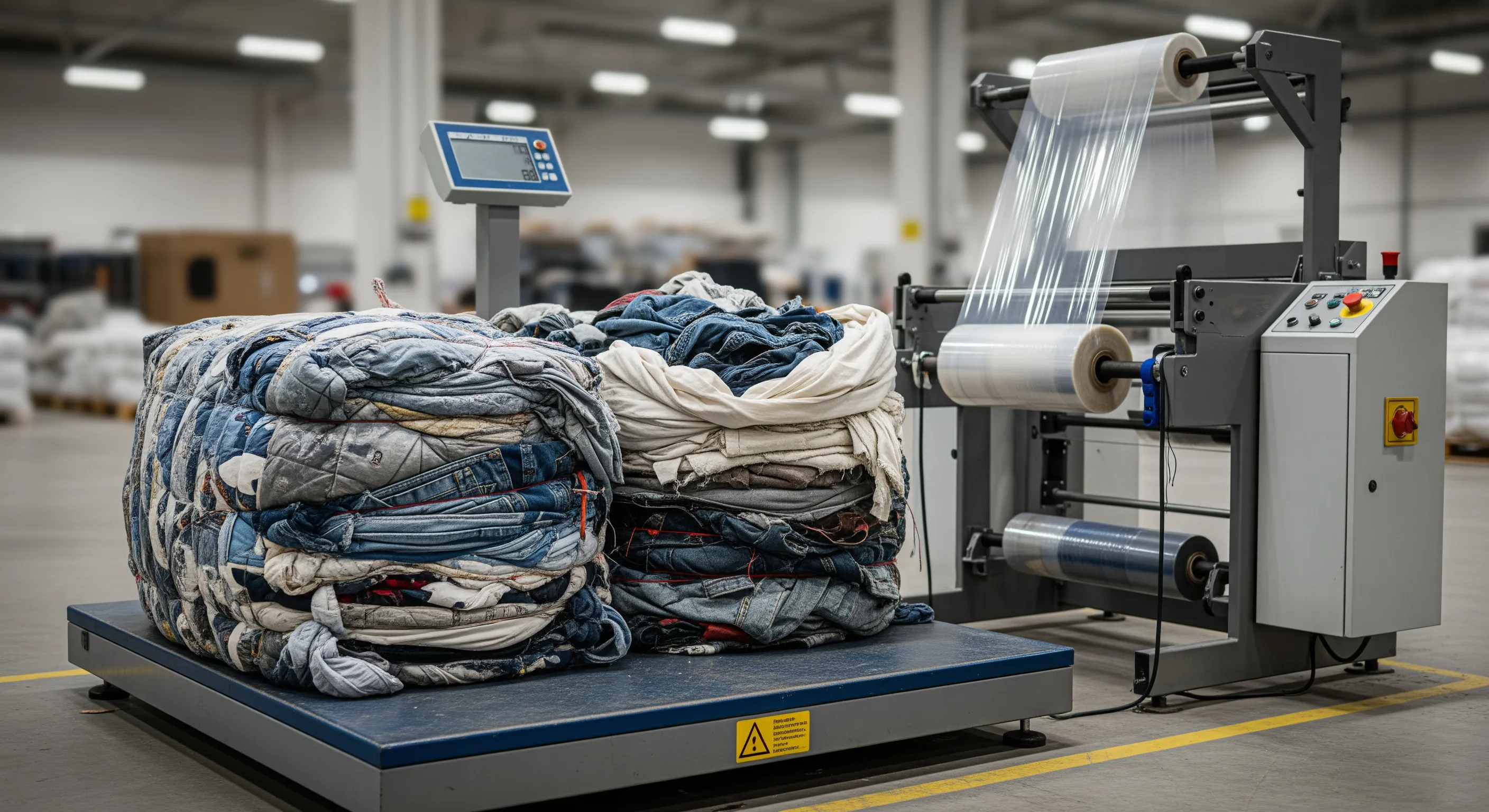
Logistics play a vital role in the wholesale used clothes market. Having a clear strategy for shipping and storage can impact overall operational efficiency. Establish connections with reliable freight forwarders familiar with handling bales of secondhand clothes to ensure smooth transitions from suppliers to your warehouse.
It's also wise to invest in technology that tracks shipments in real time, providing updates and reducing uncertainties in delivery timelines.
Mitigating Risks in Wholesale Sourcing
Conducting thorough due diligence on potential suppliers is key to mitigating risks associated with wholesale sourcing. Investigate the track record of wholesalers, focusing on their reliability and historical performance concerning quality and delivery expectations.
Implementing comprehensive tracking and monitoring systems will further bolster your ability to manage risks effectively, ensuring that any potential claims or issues can be addressed proactively.
| Practical Risk | Cause | Mitigation |
|---|---|---|
| Delayed shipments | Issues with freight forwarders | Maintain regular communication and establish contingency plans. |
| Quality discrepancies | Poor grading accuracy | Engage with suppliers who are transparent about their grading practices. |
| Excess inventory | Overestimation of demand | Analyze past sales trends to inform purchasing decisions. |
| Financial loss | Poor supplier reliability | Monitor supplier performance and diversify your sourcing options. |
The Future of Used Clothes Wholesale
Looking ahead, the wholesale secondhand clothing industry is poised for growth as consumer awareness surrounding sustainability continues to rise. B2B clothing suppliers focusing on eco-friendly practices may find new opportunities to connect with conscientious buyers.
This shift towards sustainable sourcing will influence market dynamics, pushing wholesalers to adapt continuously and innovate their offerings, thus enhancing their competitiveness in the market.
Unlock Cost Savings and Inventory Variety with Trusted UK Bulk Clothing Sourcing

For trade buyers who need consistent bulk supply and clear grading expectations, explore Original Secondhand at originalsecondhand.com. If you’d like a quick recommendation on the best fit for your business model, volumes, and export requirements, contact the team here: Contact Us.
Frequently Asked Questions
What are the benefits of sourcing used clothes wholesale?
Sourcing used clothes wholesale can provide cost savings and access to unique inventory while supporting sustainability.
How can I find reliable suppliers for used clothes?
Attend industry trade shows, engage with other retailers, or perform thorough online research to vet suppliers.
What should I know about clothing grading?
Understanding grading standards helps you set expectations for quality and aids in determining pricing strategies.
How can I mitigate risks in wholesale purchasing?
Establish strong relationships with suppliers, implement monitoring practices, and diversify sourcing options.