Second hand shoes wholesale UK: reading a shoe lot
Shoe lots are sold by weight and described by wearer and style. Here is how to read the description, how customs treat worn footwear and what to ask before an order.
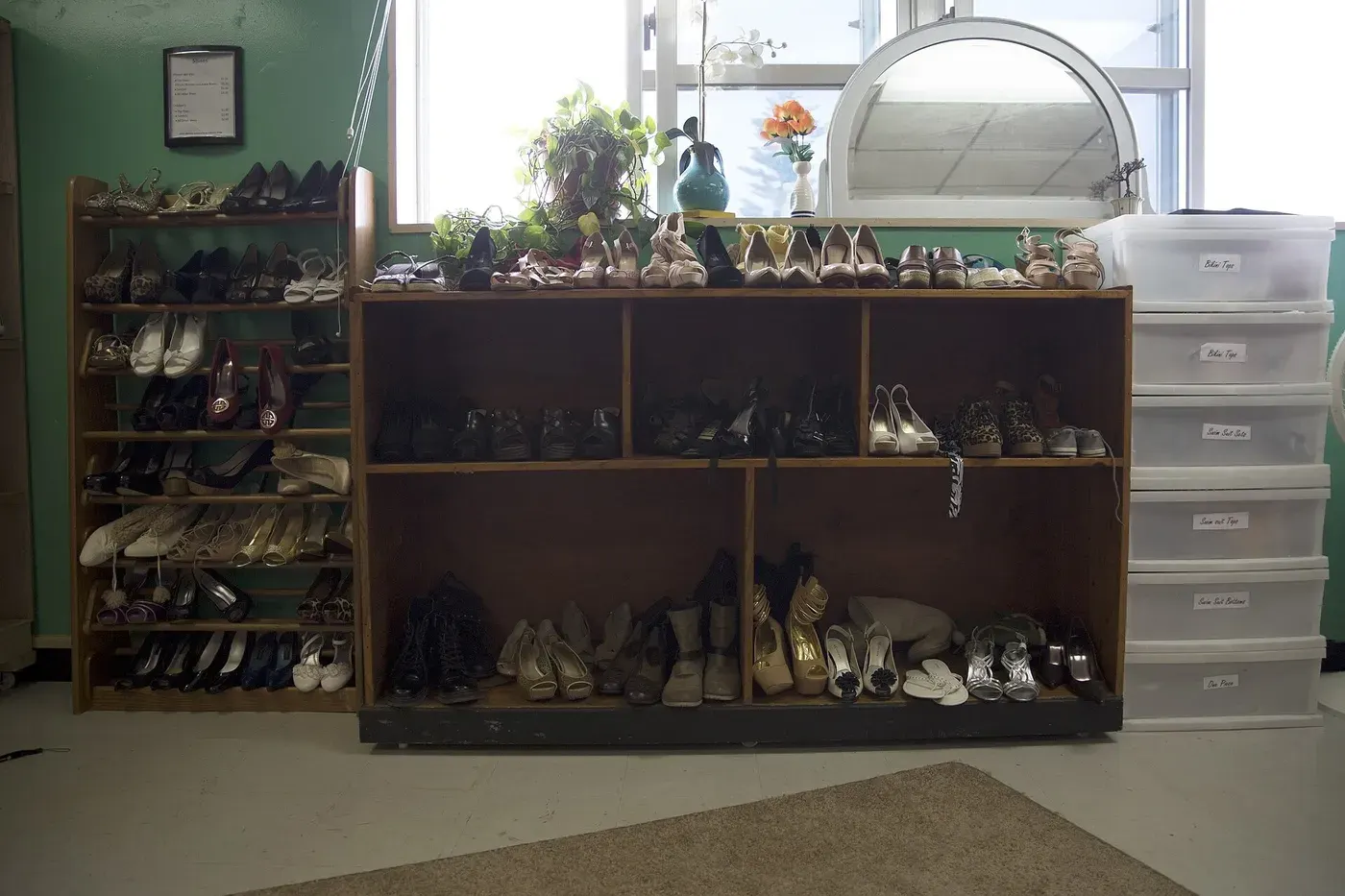
In second hand shoes wholesale UK suppliers describe a lot by wearer (men, women, children), by style (sports, casual, formal) and by packing, and they sell it by weight. Read the description for the mix, the pairs and the sizes, and ask for photos before you confirm. Customs treat worn footwear in bulk as a separate class from new shoes.
Second hand shoes wholesale UK: how a lot is described
A shoe lot normally carries three labels. The first is the wearer: men's, women's or children's footwear. The second is the style: sports and training shoes, casual and everyday pairs, boots, sandals, formal shoes. The third is the packing, usually bags or bales sold by weight. Second hand shoes lots at Original Secondhand follow this logic, and the exact contents are confirmed in the written offer.
Style words are shorthand, not measurement. A lot called sports may hold running shoes, trainers and court shoes, and nobody can count them from the label. If your customers want one kind, such as walking boots or school shoes, say so, because the answer decides which lot fits and which one only looks similar.
Photos and descriptions are indicative only. Weight, condition and style vary by lot, and known brands can appear in mixed lots but are not promised. Use the photos to judge the type of footwear and the general wear, not to count pairs.
Mixed lot or one category: what each choice means for a reseller
A mixed lot gives variety and a wide size range for a shop that sells everything on one wall. A single category, for example women's casual shoes, is easier to price and display, and it suits a reseller who knows exactly what the customers ask for. Neither is better in general; the choice follows your sales.
When you compare, ask how the seller separates the categories. Is the split by the wearer only, or also by the style and the season? Ask whether children's shoes are packed apart from adult pairs, because small sizes weigh little and can change the count of pairs in a bale far more than the weight suggests. The sorting logic behind this is explained in the guide on how used clothes are sorted.
Buyers who also resell unsorted material can compare the shoe offer with Original Container, where goods come as collected and sorting is left to the buyer. The two formats serve different shops, so decide how much sorting you want to do yourself.
Customs: worn shoes in bulk are not classed as new footwear
This is the point that surprises many first-time importers. In the UK Trade Tariff, note 3 to chapter 63 says that heading 6309 applies to worn clothing and other worn articles, and the list in that note includes footwear and headgear of any material other than asbestos. To be classified there, the goods must show signs of appreciable wear and must be presented in bulk or in bales, sacks or similar packings.
The footwear chapter points the other way. Note 1(c) to chapter 64 states that the chapter does not cover worn footwear of heading 6309. So a bale of used shoes is described by the heading for worn articles, while new shoes go to chapter 64.
The tariff text is the UK version of an international system, and the EU tariff follows the same structure. Check the EU TARIC for the exact code and rate on the destination side.
| Goods | Heading in the UK Trade Tariff | What the tariff says |
|---|---|---|
| Worn clothing and worn footwear in bulk, bales or sacks | 6309 | Worn clothing and other worn articles |
| New footwear, rubber or plastics, uppers not stitched or fixed to the sole | 6401 | Waterproof footwear with outer soles and uppers of rubber or of plastics |
| Other footwear of rubber or plastics | 6402 | Other footwear with outer soles and uppers of rubber or plastics |
| New footwear with leather uppers | 6403 | Footwear with outer soles of rubber, plastics, leather or composition leather and uppers of leather |
| New footwear with textile uppers | 6404 | Footwear with outer soles of rubber, plastics, leather or composition leather and uppers of textile materials |
| Other new footwear | 6405 | Other footwear |
This is a reading aid, not customs advice. The right code for your shipment is decided with your customs agent, and it matters in practice: the same code appears in the export declaration in the UK and in the import declaration in the destination country. The page on delivery countries shows where goods go, and the paperwork for each destination is agreed per order.
How the tariff itself explains shoe types
The tariff has its own rules for naming footwear, and they help when a seller uses trade words. Chapter 64 note 4 says the material of the upper is the constituent material with the greatest external surface area, and the material of the outer sole is the one with the greatest surface area in contact with the ground, in both cases ignoring accessories and reinforcements such as buckles, eyelet stays or ankle patches.
The subheading notes define sports footwear narrowly: footwear designed for a sporting activity that has, or has provision for, spikes, sprigs, stops, clips or bars, together with skating boots, ski boots, snowboard boots, wrestling and boxing boots and cycling shoes. A pair of ordinary trainers is a sports shoe in a shop window but not necessarily in the tariff. This matters mostly for new goods, yet it shows why the word sports needs a definition in your offer.
Sizes: three systems in one lot
Used footwear arrives with size marks from several systems. SATRA states in a technical bulletin that the continental system steps by two thirds of a centimetre, about 6.7 mm, per full size (the Paris point), that the English system grew from the barleycorn, with one third of an inch per full size in some makers' practice, and that US sizes differ again: a UK women's size 5 corresponds to a US size 7.
In the UK and the US, children's sizes run from 0 to 13 and adult sizes restart at 1, so a pair marked UK 3 may belong to a child or to an adult. SATRA adds that Mondopoint, where the foot length is given in millimetres in steps of 5 mm, is widely used in parts of Asia, and that exact matches between systems are often considered impractical.
The Mondopoint standard of the International Organization for Standardization (9407, 2019 edition) covers a method of marking footwear size based on defined foot measurements. According to the British Standards Institution, some makers express the size in centimetres instead of millimetres, such as 26 for 260, and others relate it to the length of the last rather than the foot, and neither expression conforms. In a used lot you will meet all of these marks together.
For a reseller this means that a size list in the offer should say which system it uses. Ask for the size spread of the lot, and ask the seller to say whether the count follows the printed size or a measured one.
Labelling rules that do not cover used pairs
Directive 94/11/EC requires labelling of the materials in the main components of footwear sold to the consumer: the upper, the lining and sock, and the outersole. The label shows the material that makes up at least 80 % of the surface area of the upper and lining and of the volume of the outersole, or the two main materials if none reaches that share. Article 1 excludes second-hand, worn footwear.
So a lot of used shoes is not expected to carry the material label that new shoes carry, and its absence is not a defect. A buyer who needs the material information, for example to sort leather from textile uppers for a particular shop, should ask the seller what can be said about the lot and read it in the written description.
If you also buy new footwear, for example from STOCK, the rules differ. The REACH restriction in entry 72 of Annex XVII, added by Regulation (EU) 2018/1513, bars certain chemical substances in clothing, related accessories and footwear placed on the market after 1 November 2020, and its paragraph 3 lists second-hand clothing among the exceptions. How it applies to a given pair is a question for your adviser.
Pairs, wear and hygiene: the condition checks that matter
The Environment Agency guidance for England on exporting textiles, which covers footwear in its sorting advice, says that before export items should be sorted by type and quality, damaged items and contamination removed, and shoes put in matching pairs. It adds that textiles count as non-waste only if suitable for direct reuse, and that a seller should hold evidence of how it sorts and assesses quality.
A matching pair is the basic unit of a shoe lot. Ask what happens to single shoes, whether pairs are tied or bagged together, and how the seller deals with a pair that has two different sizes. A single shoe in a bale has almost no resale value, so a high share of strays quietly reduces the value of the lot.
Wear shows in the same places on most pairs: the heel edge, the sole tread, the toe cap and the inside lining. Hygiene is a separate matter. WRAP, the UK resource charity, describes preparation for reuse as checking, cleaning or repairing recovery operations, so ask whether the seller cleans or checks pairs before packing and what the offer says about odour, damp or mould.
At the first sign of damp or fungal growth in a photo, ask for a closer one. A bag that has stood wet will spoil the pairs around it, and the damage shows only when the bale is opened.
The industry sees footwear as its own stream
Sorters treat shoes apart from clothes. The Fashion for Good and Circle Economy report on sorting describes manual sorting as a step-by-step job whose first step is removing non-textile items, such as household waste and footwear. This is why shoe lots come from a separate stream with its own packing, its own weight profile and its own buyers, and why they are not simply a corner of a clothing bale.
Season shapes the stream too. The Reflow project notes that winter clothing is usually collected in spring while demand rises only in autumn. Reflow speaks about clothing, but the question carries over to footwear: when you order in a given month, ask which season the lot represents and how it was stored.
What to ask a supplier before you order shoes
- The wearer split: men's, women's and children's, and whether they are packed apart
- The style split: sports, casual, boots, sandals, formal, and what the seller means by each word
- Pairs: whether every shoe is matched, and how single shoes are handled
- The size marks used and the size spread of the lot
- Season of the lot and how it was stored
- Weight basis: goods only or goods plus bags, number of bales
- Photos or a short video of your lot before you confirm
- The commodity code the seller expects to use in the export declaration, and who prepares the transport documents
The written offer should answer each point. If a point is not covered, ask again and keep the reply with the offer. Payment terms, delivery terms and complaints are agreed per order in writing, and the quality control guide explains how a lot is checked before it goes.
A practical next step
Write down what your shop sells most: the wearer, the style, the sizes and the season. Add the rough weight you want and your destination country, then send it through the contact page or to [email protected]. If you are new to wholesale, how to buy second hand clothes wholesale from the UK covers the order from enquiry to delivery.
Children's shoes are often bought together with clothing for the same age group, and used baby and kids clothes has the points to check for that part of the range.
Frequently asked questions
Is a lot of used shoes classed as footwear or as worn articles at customs?
In the UK Trade Tariff, worn footwear that shows appreciable wear and is presented in bulk or in bales or sacks falls under heading 6309, and chapter 64 excludes worn footwear of that heading. Your customs agent settles the code for the actual shipment.
Does a used shoe need the material label required for new shoes?
Directive 94/11/EC covers footwear for sale to the consumer, and its Article 1 excludes second-hand, worn footwear. A used lot is therefore not expected to carry the label, so ask the seller to describe the main materials in the offer if they matter to you.
Why is a UK size 3 not always a small size?
In the UK and the US, children's sizes run from 0 to 13 and adult sizes restart at 1, so the same number can mean a child's or an adult's shoe. Ask which system the size marks follow and what the age or wearer split of the lot is.
Can I order only women's or only sports shoes?
Lots are described by wearer and style. Whether a lot can be had as one category depends on the lot and is confirmed in the written offer. Say what you resell and ask which categories are packed separately before you decide on a mixed lot.
What should I check on photos of a shoe lot?
Look at the mix of wearers, the share of matched pairs, the heel and sole wear, the lining and any sign of damp. Photos are indicative only, because weight, condition and style vary by lot, so use them for the type of footwear, not for counting pairs.
Are shoes sold by weight or by the pair?
Shoe lots are sold by weight. The offer states the weight basis and the packing, and the number of pairs in a bale depends on the wearer and the size mix, so ask for the size spread if your shop sells by size.