Used toys wholesale from the UK: lot contents, toy rules and what to ask
Soft toys, plastic toys and play sets are sold as lots by weight. Learn what to ask about condition and packing, how toy safety law treats used goods, and who sells them on.
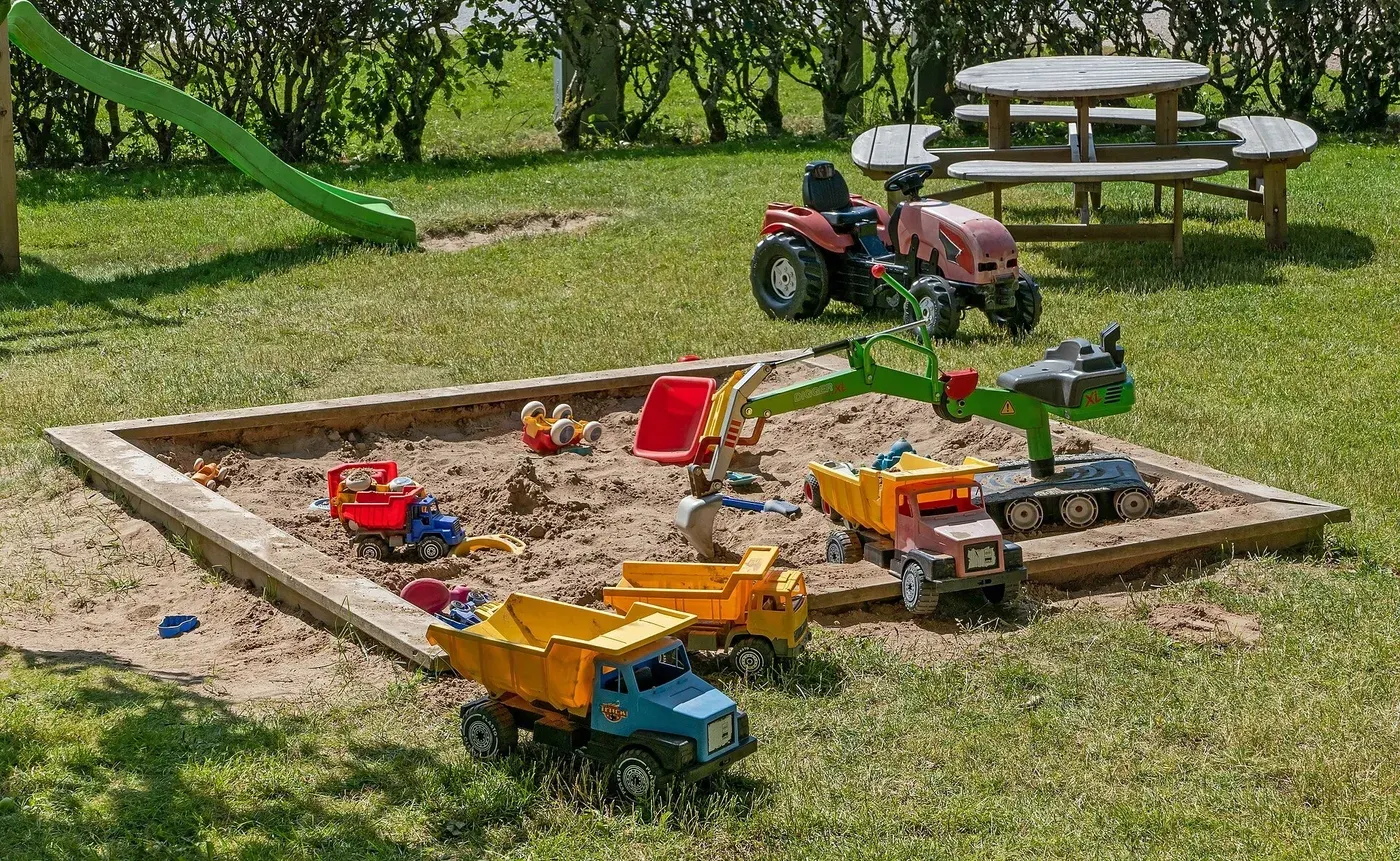
Used toys wholesale means buying a lot of previously owned toys by weight, usually a blend of soft toys, plastic toys and small play items. The lot is mixed, so condition, completeness and cleanliness vary, and the useful questions for a buyer are about what the lot holds, how it is packed and how you will clean it.
The two main groups: soft and hard
Toy lots divide naturally into soft toys and plastic or hard toys. Soft toys include plush animals, dolls with cloth bodies and similar items. The hard group covers figures, vehicles, building pieces, puzzles and play sets. Each group behaves differently in transit, in cleaning and on the shelf.
Soft toys compress and spring back, while hard toys can crack or lose small parts if the bag is stacked too high. Some lots are mixed across both groups and some lean one way. If you run a stall, a blend gives customers a reason to stop. If you resell online, a lot that leans toward plastic toys with sellable parts may suit you better, since each piece can be listed separately.
Condition and cleanliness
Toys carry the history of the home they came from. Soft toys can be flattened, discoloured or marked, and plastic toys can carry scuffs, stickers, missing pieces or faded paint. Ask what level of wear the lot allows and whether obviously broken items are taken out before packing.
Plan to clean everything before sale. Soft toys can be machine washed when the fabric allows, and hard toys can be wiped or washed in warm water. Build that time and cost into your estimate of what a lot will return, because a low-cost lot with heavy cleaning needs can still be a poor lot.
What the toy rules say about hygiene
EU toy law treats cleanliness as a safety matter. Annex II, Part V of Directive 2009/48/EC says toys must be designed and manufactured to meet hygiene and cleanliness requirements in order to avoid any risk of infection, sickness or contamination.
For toys intended for children under 36 months, the same part says the toy must be designed and manufactured in such a way that it can be cleaned, and it goes on to deal with textile toys.
That is a rule for how new toys are made, not a promise about a used lot. It does explain why buyers of used soft toys wash them, why a toy that cannot be cleaned is a poor candidate for a shelf aimed at toddlers, and why you should sort out any piece that cannot be made hygienic.
Completeness: sets, batteries and parts
A toy lot is not a set of complete items. Puzzles may lack pieces, building sets may be partial, and toys that need batteries or remotes may arrive without them. Customers notice, and returns for a missing piece cost a small shop time, so decide in advance what your shop will do with incomplete items: sell as parts, sell cheaply, or leave out.
Ask the supplier how the lot treats complete sets and loose parts. A reply such as "mixed, as collected" tells you to plan for a high share of loose pieces, while a more specific description tells you what you can expect.
How a second hand toys bulk UK order is packed and sold
An order of this kind is described by product line and weight, and the offer confirms the packing method. Toys take up much space for their weight, especially soft ones, so ask how the goods are packed and whether the weight figure refers to goods or includes the packaging.
Goods are sent from the UK by road with a sea or tunnel crossing, and customs paperwork depends on the destination. Photos in the catalog are indicative only, so ask for photos or a short video of the lot you will receive. The page on the toys catalog shows how the product type is described.
Wholesale soft toys used: what to ask
For wholesale soft toys used in bulk, the checks are specific. Ask whether the lot has labels, whether stuffing is intact and whether any items have electronic parts such as sound modules.
Old electronics can be a problem if they no longer work, and a supplier can tell you whether such items are removed. Do not assume that a toy which makes a sound in the photo will still do so when it reaches your shop.
Smell is the other filter. Soft goods that were stored damp keep an odour that washing may not remove, and a short video of the opened bag can give you a rough idea before you commit.
What counts as a toy under EU law
Directive 2009/48/EC, the EU Toy Safety Directive, applies to products designed or intended, whether or not exclusively, for use in play by children under 14. Annex I lists products that are not considered toys, and the first two entries are decorative objects for festivities and celebrations and products for collectors, provided the product or its packaging bears a visible and legible indication to that effect.
The line matters in a mixed lot. A plush animal is a toy. A shelf ornament that happens to be shaped like one may not be, and a collectors' model sold as such is outside the definition only if it is marked. When you resell, describe each piece for what it is, and do not label a children's toy as a collectible or the reverse.
Is a used toy "placed on the market"?
The Directive defines making available on the market as any supply of a toy for distribution, consumption or use on the market in the course of a commercial activity, and placing on the market as the first making available of a toy on that market.
Article 6 says importers place only compliant toys on the market and must ensure that the toy bears the required conformity marking. Article 10(2) adds that toys, including the chemicals they contain, shall not jeopardise the safety or health of users or third parties.
The European Commission's Blue Guide on EU product rules, in its 2022 edition, says Union harmonisation legislation also covers used and second-hand products imported from a third country when they enter the Union market for the first time, and that a product is placed on the market when it is first made available there.
Put those texts together and the question for a reseller is clear: if used toys from the UK enter your country for the first time, you may be the importer in the legal sense. Whether the Directive applies to a given lot, and what it would require of you, depends on the toys and on their history. Ask an adviser before the order, not after.
Great Britain
The Toys (Safety) Regulations 2011 implement the Directive in Great Britain. The GOV.UK guidance, published in March 2025, says they apply to toys designed or intended for use in play by children under 14, and that the essential safety requirements cover physical and mechanical properties, flammability, chemical properties, electrical properties, hygiene and radioactivity.
In its section on charities and second-hand toys, the guidance says the responsibilities apply when a person is acting in the course of a commercial activity, whether in return for payment or free of charge.
A parent selling used toys through infrequent social media posts is unlikely to be acting in the course of a business, but a regular seller on an online marketplace is not exempt. A wholesale reseller is acting in the course of a commercial activity.
A new regulation is on its way
The EU has adopted Regulation (EU) 2025/2509 on the safety of toys, which repeals Directive 2009/48/EC. The European Commission says the new Toy Safety Regulation entered into force on 1 January 2026 and that the new rules apply from 1 August 2030.
They extend the ban on hazardous chemicals to substances such as PFAS and bisphenols, and every toy placed on the EU market will need a digital product passport.
Until the main rules apply, the Directive remains the text to check. If you plan to import used toys over several years, build the date into your planning, and ask your adviser how second-hand goods are treated in the new text.
What the safety statistics show
The Commission's Safety Gate system recorded 4,137 alerts in 2024, the highest number since it started in 2003. Cosmetics were most frequent at 36%, followed by toys at 15%. The figure covers alerts on non-food consumer products, not used toys specifically, but it explains why customs and market surveillance authorities pay attention to toys.
Counterfeiting is a separate problem. A study published by the European Union Intellectual Property Office on 16 January 2024, using 2018-2021 data, found that the toy sector loses 8.7% of its sales to counterfeit goods, and that Germany accounts for one-third of the lost sales in the EU. Inspect branded toys with that in mind, and keep anything that looks wrong out of your stock.
Customs heading 9503
The UK Trade Tariff describes heading 9503 as tricycles, scooters, pedal cars and similar wheeled toys; dolls' carriages; dolls; other toys; reduced-size scale models and similar recreational models, working or not; and puzzles of all kinds. Under it, commodity 9503 00 41 00 covers toys representing animals or non-human creatures, stuffed, which is where plush animals sit.
Note 5 to chapter 95 says heading 9503 does not cover articles identifiable as intended exclusively for animals, for example pet toys. A mixed lot can therefore hold items for several headings, and a lot with a few non-toy pieces may need more than one line on a declaration. Agree the description with your customs agent before the goods move, using the weight and the product type in the written offer.
Sorting toys when the lot arrives
Open the lot on a clean table and split it into four piles: fit to sell after cleaning, needing a repair or a missing part, suitable only for parts, and to be removed. Keep soft toys apart from hard ones while you do it, since dust and damp travel from one group to the other.
- check labels and any age or warning marking left on the toy, and keep marked toys together;
- look for loose eyes, buttons, seams and torn fabric on soft toys;
- test any battery or sound feature once, and sort out what no longer works;
- discard anything with an odour or residue that washing does not clear.
Record the share of each pile for the first lot. That share is the most useful number you will have when you decide whether to reorder and in what quantity.
Used toys wholesale: who resells them
Buyers in this category are varied. Second-hand children's shops add toys to a clothing offer. Market traders put a table of toys next to other goods. Online sellers list the better pieces one by one, and community sale organisers buy mixed lots for stalls. A shop that sells children's clothing can pair this lot with what it already stocks, as described in the note on used children's clothes.
Think about the shelf, not just the price of the lot. Toys need display space, and a small shop can choke on a large soft lot. Start with the volume you can realistically show, and reorder once the first lot has moved. A second order is easier to write when you know which toys your customers picked up first.
What to settle before you order
- Say whether you want soft toys, plastic toys or a blend.
- Ask what the lot allows in terms of wear and missing parts.
- Ask about packing and whether the weight refers to goods only.
- Request photos or a short video before you confirm.
- Ask your adviser whether you count as the importer of used toys and what that would require.
- Confirm the product line, weight and terms in the written offer.
The minimum order is confirmed in the offer, and it changes with the product line, so there is no single figure to quote. The general product safety rules for used household goods are covered in the guide to bric-a-brac, which is worth reading before you build the order.
Next step
Write down which toy groups you sell, how you clean them and how much shelf space you have. Send it with your request for a lot through the contact page so that the offer can be matched to it.
Frequently asked questions
Are used toys cleaned before they are packed?
Do not assume that. Ask whether goods are cleaned or only sorted and packed, and plan your own cleaning for soft toys and plastic items before they go on sale. Cleaning is routine for used toys.
Will soft toys be in the same lot as plastic toys?
Possibly. Lots can be mixed or lean one way, depending on the product line. Say which group you want in the enquiry, and the offer will describe what the lot holds and how it is packed and weighed.
Do toys come with batteries or all their parts?
Not necessarily. A mixed toy lot may contain incomplete sets and items without batteries or remotes. Decide how you will handle those pieces and ask the supplier what the lot is expected to contain before you order.
Can I get a lot of only soft toys?
Ask in the enquiry. Availability depends on the product line and the lot at hand, and the offer will state what is described. Name the type of toy you resell, so the supplier can answer with a clear yes or no.
What if the toys arrive in worse condition than described?
Compare the goods with the written offer, keep photos and the packaging, and report the difference in writing after delivery. Because toys vary, a precise comparison by group and condition makes the discussion simple.
Does the EU Toy Safety Directive apply to used toys from the UK?
The Commission's Blue Guide says EU product rules also cover used and second-hand products imported from a third country when they enter the Union market for the first time. Whether this applies to your lot depends on the toys, so ask an adviser before ordering.
Which customs heading do toys fall under?
The UK Trade Tariff places toys, dolls and puzzles in heading 9503, with stuffed toys representing animals under commodity 9503 00 41 00. Pet toys are excluded by note 5 to chapter 95. Confirm the code for a mixed lot with your customs agent.